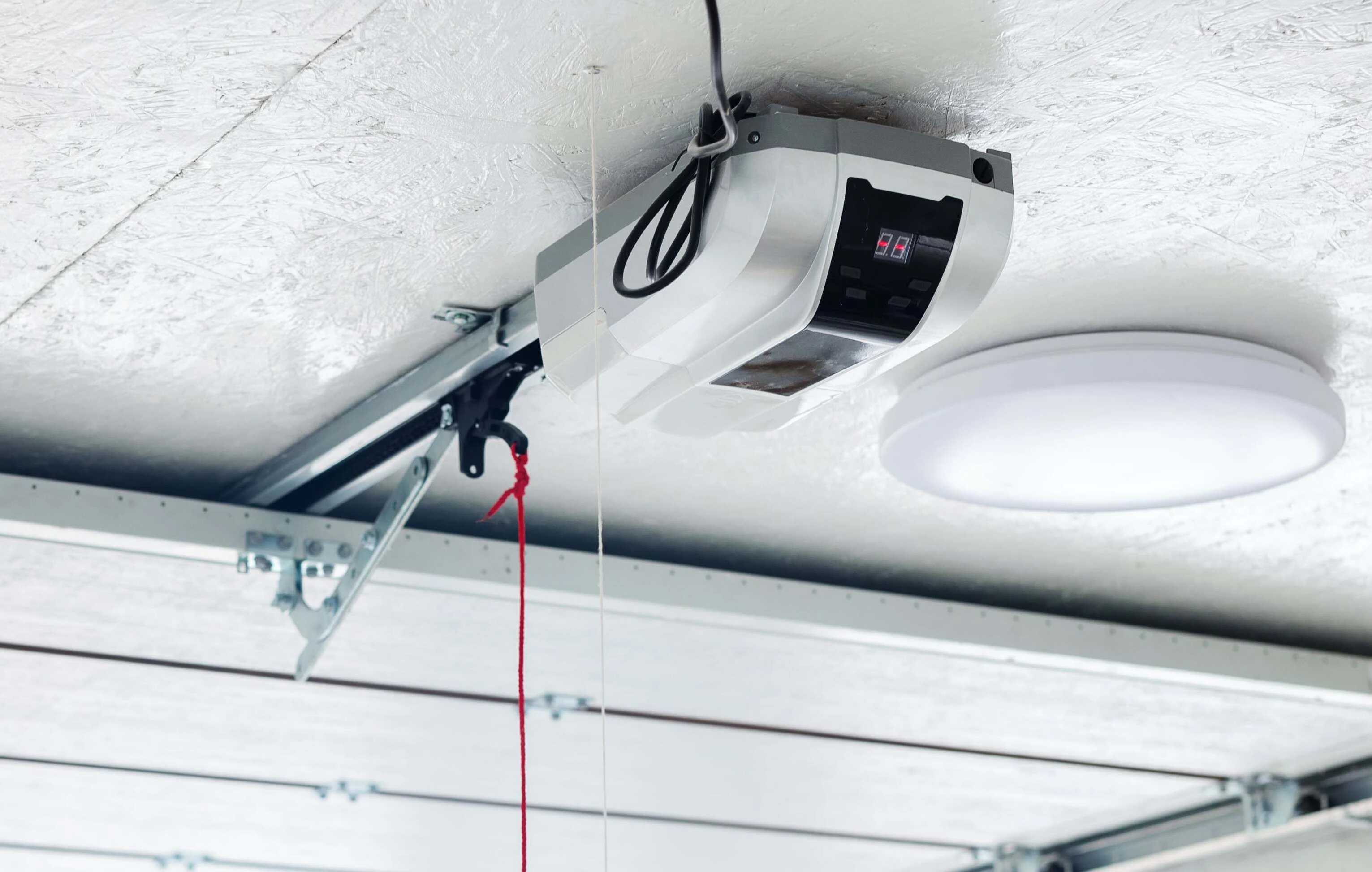
Quiet belt-drive systems
Belt drive
We diagnose belt wear, trolley problems, travel settings, controls, sensors, and unusual vibration on supported models.
Explore Belt drive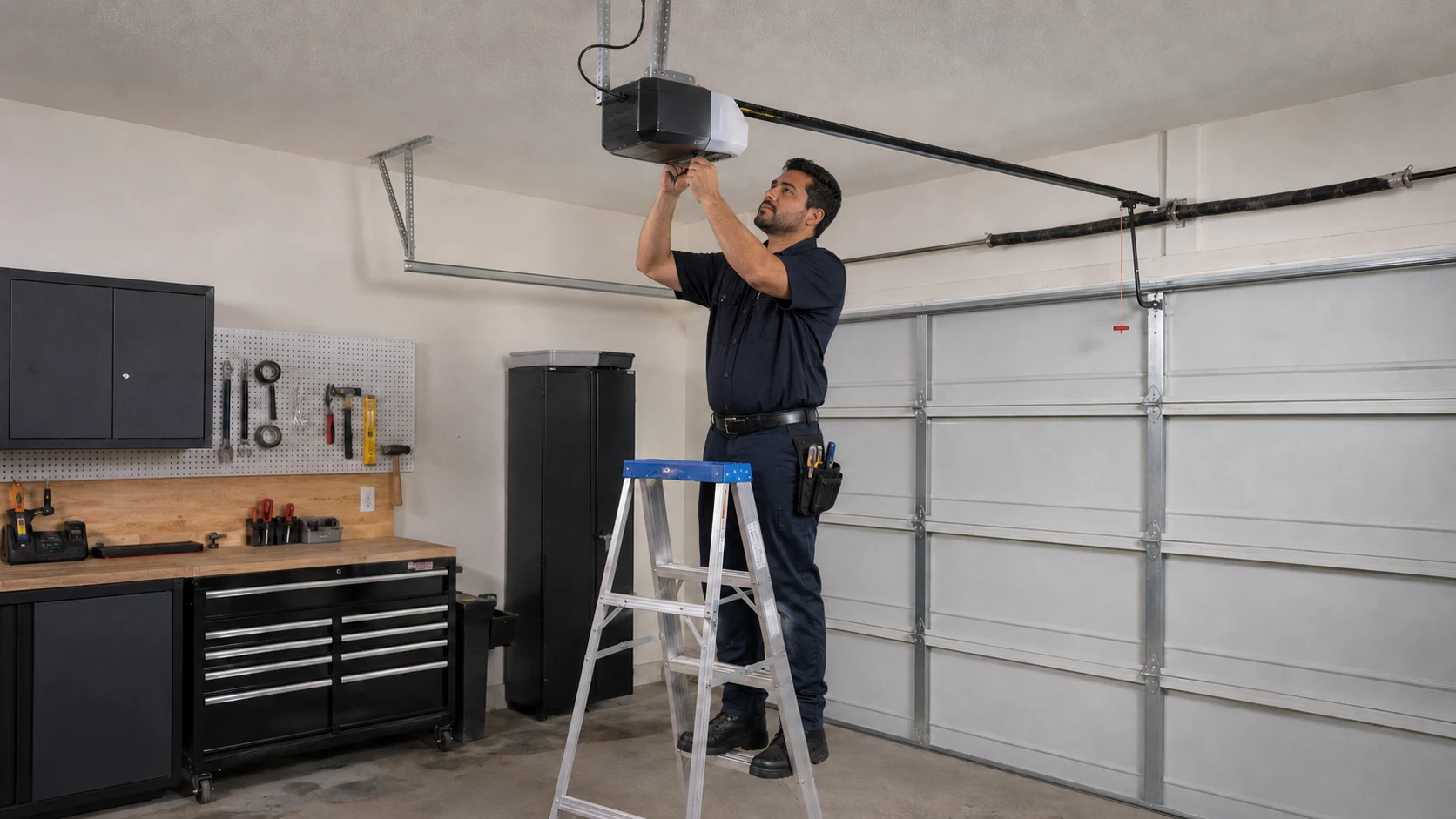
Many garages off Wellington Way now run an opener far newer than the door, so garage door opener repair in Wellington checks the door before the travel limits. Reach our Lexington office at (859) 436-2954.
We repair Wellington openers, checking the door before resetting travel limits.




Diagnose before replacing
An apparent motor failure is often a sensor, power, spring, or track problem, and a complete diagnosis protects the opener from an unnecessary replacement.
If the door is crooked, unusually heavy, dropping, or binding, stop cycling the opener and keep clear—a stronger motor does not correct a door-system problem.
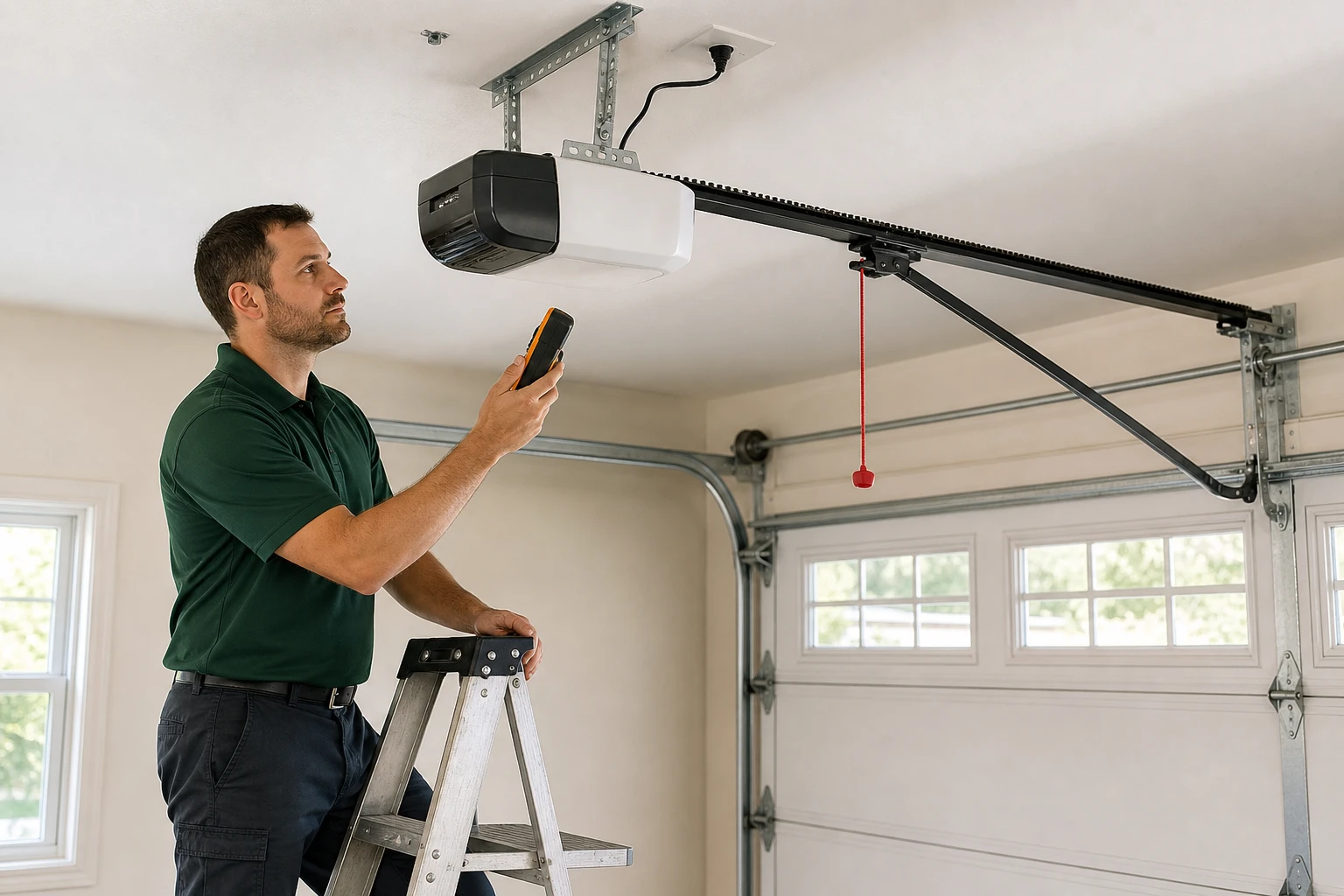
Service guide
Know your options
There is no universal age cutoff. We confirm the door itself is sound, identify the failed component, then compare the cost and value of both paths.
Sensors, gears, and model-supported boards can often be serviced instead of replaced.
Sensors, gears and supported boards can often be serviced.
Replacement is the better call when modern reversal protection cannot be restored or compatible parts are gone.
Replace when reversal safety or parts support is gone.
We weigh repair cost, unit condition, and the features you actually use before recommending a path.
We weigh repair cost, unit condition and features you use.
If replacement is the safer value, we explain why and move that project to the separate opener installation service.
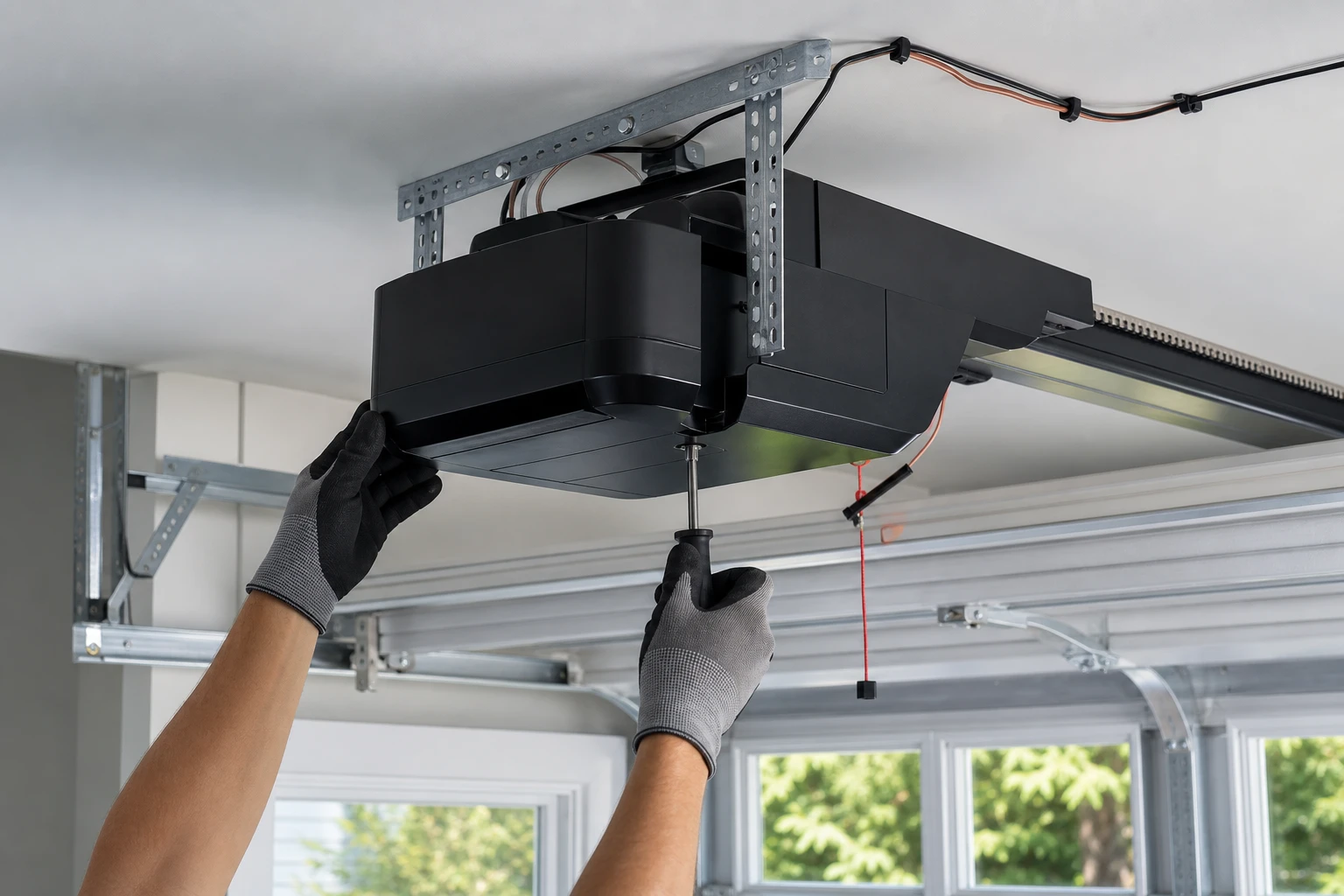
Diagnosis, repair, and pricing
We test door balance, the spring system, and the opener’s rail, trolley, and sensors.
We test balance, springs, rail, trolley and sensors.
Electrical, mechanical, control, sensor, and door-system causes are separated so the quote shows what failed.
We pinpoint what failed so the quote is clear.
Supported controls, sensors, wiring, gears, trolleys, belts, chains, settings, and model-specific parts are repaired or replaced.
The failed part is repaired or replaced on supported models.
Travel and force are set, photo eyes and contact reversal are tested, and working controls are confirmed.
Travel, force, photo eyes and controls are tested.
Drive systems and brands
Quiet belt-drive systems
We diagnose belt wear, trolley problems, travel settings, controls, sensors, and unusual vibration on supported models.
Explore Belt drive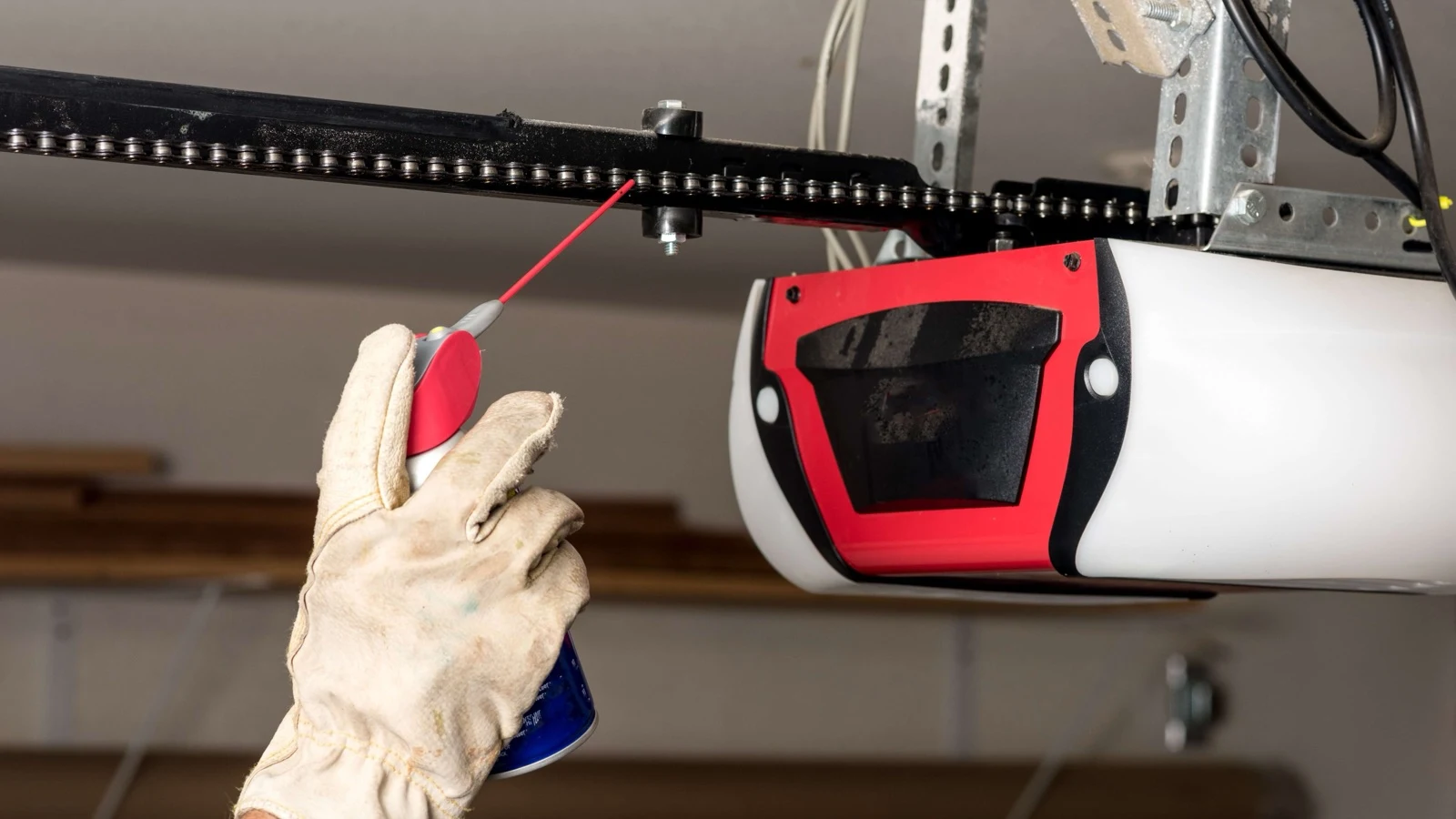
Durable chain-drive systems
We service chains, sprockets, gears, trolleys, controls, sensors, and travel problems on supported models.
Explore Chain drive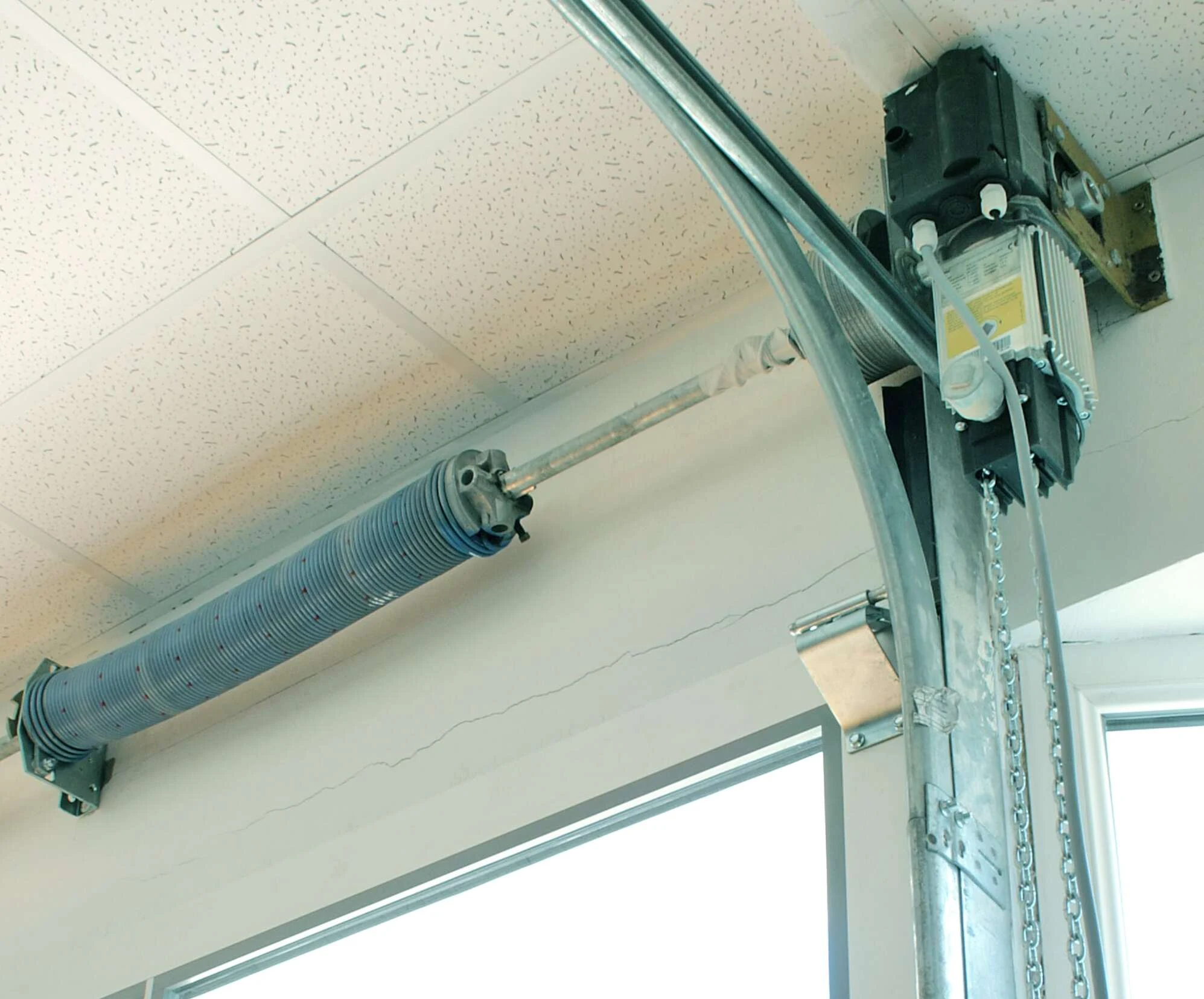
Side-mounted jackshaft systems
We diagnose wall-mount controls, travel faults, locks, cable-tension monitors, sensors, and model-specific components.
Explore Wall mount / jackshaft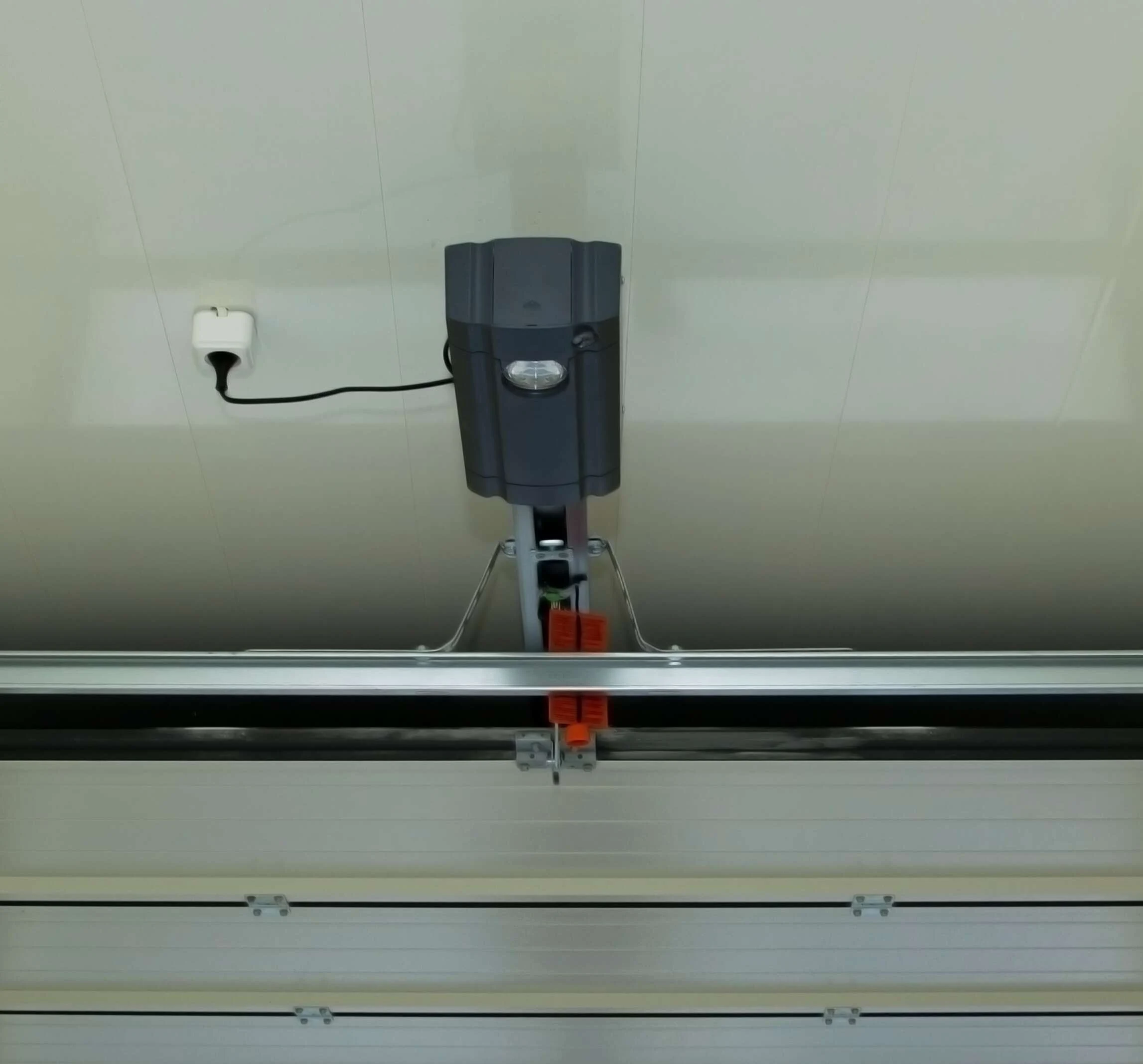
Legacy model-specific support
Common in older Kentucky garages. We diagnose screw-drive systems and confirm whether compatible repair parts remain available.
Explore Screw driveWe diagnose and repair all major opener brands when compatible parts and technical support remain available. If a safe repair is not possible, we explain why and point you to the separate opener installation service.
Compare all opener brands







Wellington Way runs through a neighborhood of long-established homes, from Nicholasville Road to the streets near Keithshire Way. On a house that old, the door may have outlived an opener or two. Each swap can leave something behind, like an old wall button or a remote that no longer pairs. The opener may end up far newer than the door it lifts.
Good opener repair looks at those pieces together. We check the motor, the rail and the trolley for wear or strain. The wall control and remotes should match the opener's receiver. Safety sensors need to face each other squarely near the floor. Balance matters most of all. An opener is designed to move a balanced door, so a door with tired springs will wear out any motor. That is why we confirm the door's balance before replacing opener parts.
Service area coverage
Local ZIP: 40503
Before you schedule
Sometimes, but first find out why the door stops short. Resistance, an obstruction or a damaged part should be fixed rather than hidden by a travel change. In Wellington, the springs, cables, rollers and tracks are checked before the limits, so a door fault is not mistaken for a setting problem.
A drifted travel limit is one cause, but a heavy door with tired springs, a binding track or a recent power cut can do the same. Note where it stopped on its last normal run and if closing changed too. There is no need to run it again to measure it before the visit.
Each opener swap can leave something behind, like an old wall button or a remote that no longer pairs. On long-established homes along Wellington Way, the door may have outlived an opener or two. The wall control and remotes are matched to the current receiver, and anything left from an earlier unit is identified.
Yes. After any travel adjustment, the opener's operation and safety devices are tested for your model, including the sensors, which need to face each other squarely near the floor. The door's balance is confirmed too, since tired springs wear out any motor. Wellington visits end with that full check.
Tell us which controls work, whether the motor runs, and whether the door moves smoothly by hand.