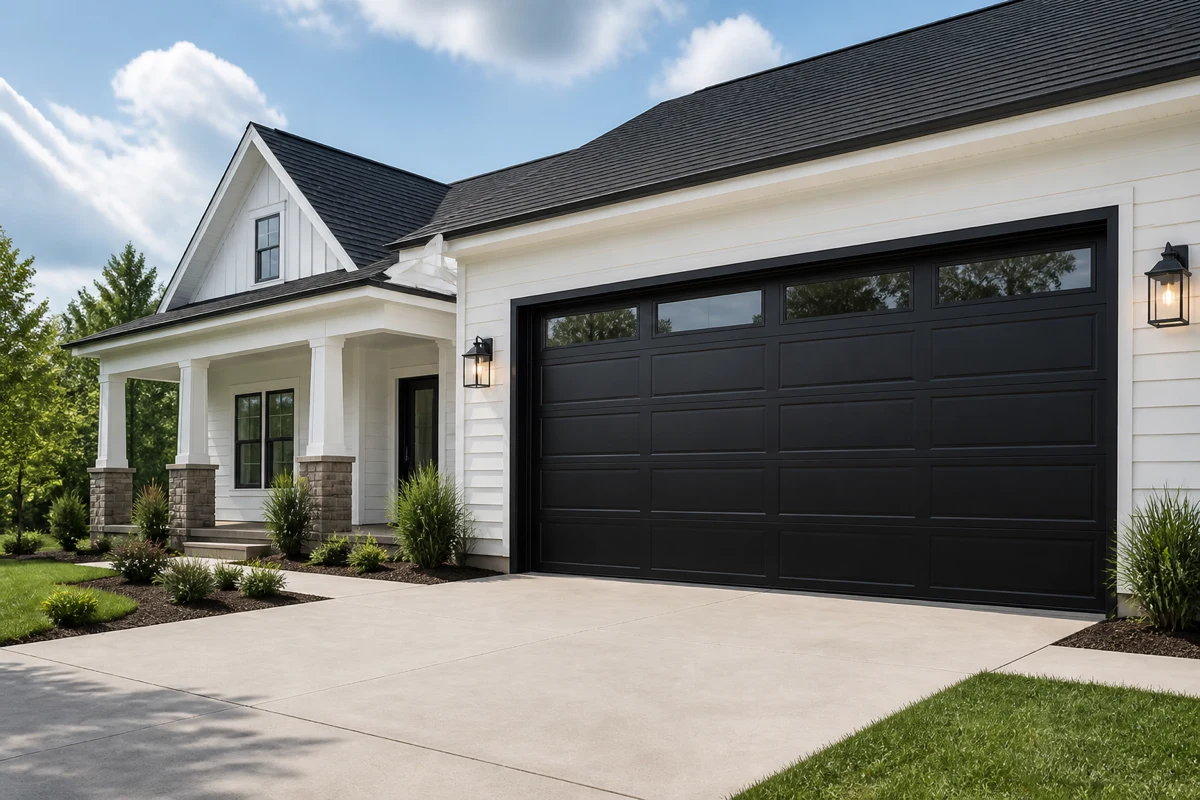
Most homes and budgets
Traditional steel
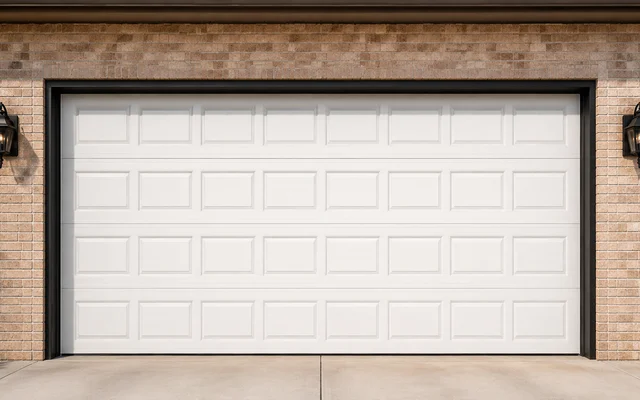
A practical, lower-maintenance choice with many panel designs, colors, windows, and insulation levels.
Compare new garage doors by style, insulation, windows and the way you use your garage. Your installed price includes the door, standard hardware, installation labor and removal of the old door, with a one-year labor warranty plus the applicable manufacturer warranty.
Compare styles and installed pricing. Door, standard hardware, installation labor and old-door removal are included.




Garage door styles
A practical, lower-maintenance choice with many panel designs, colors, windows, and insulation levels.
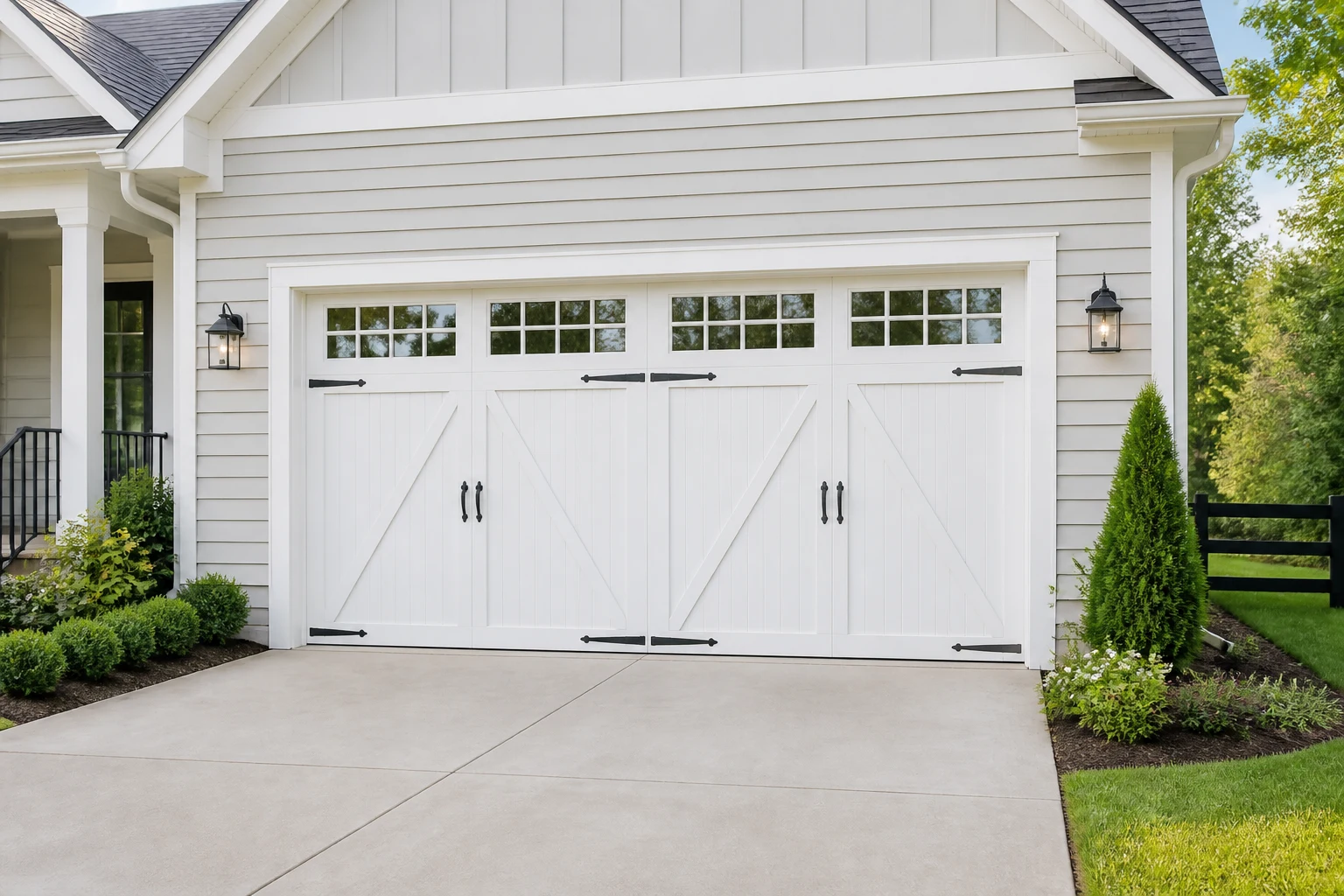
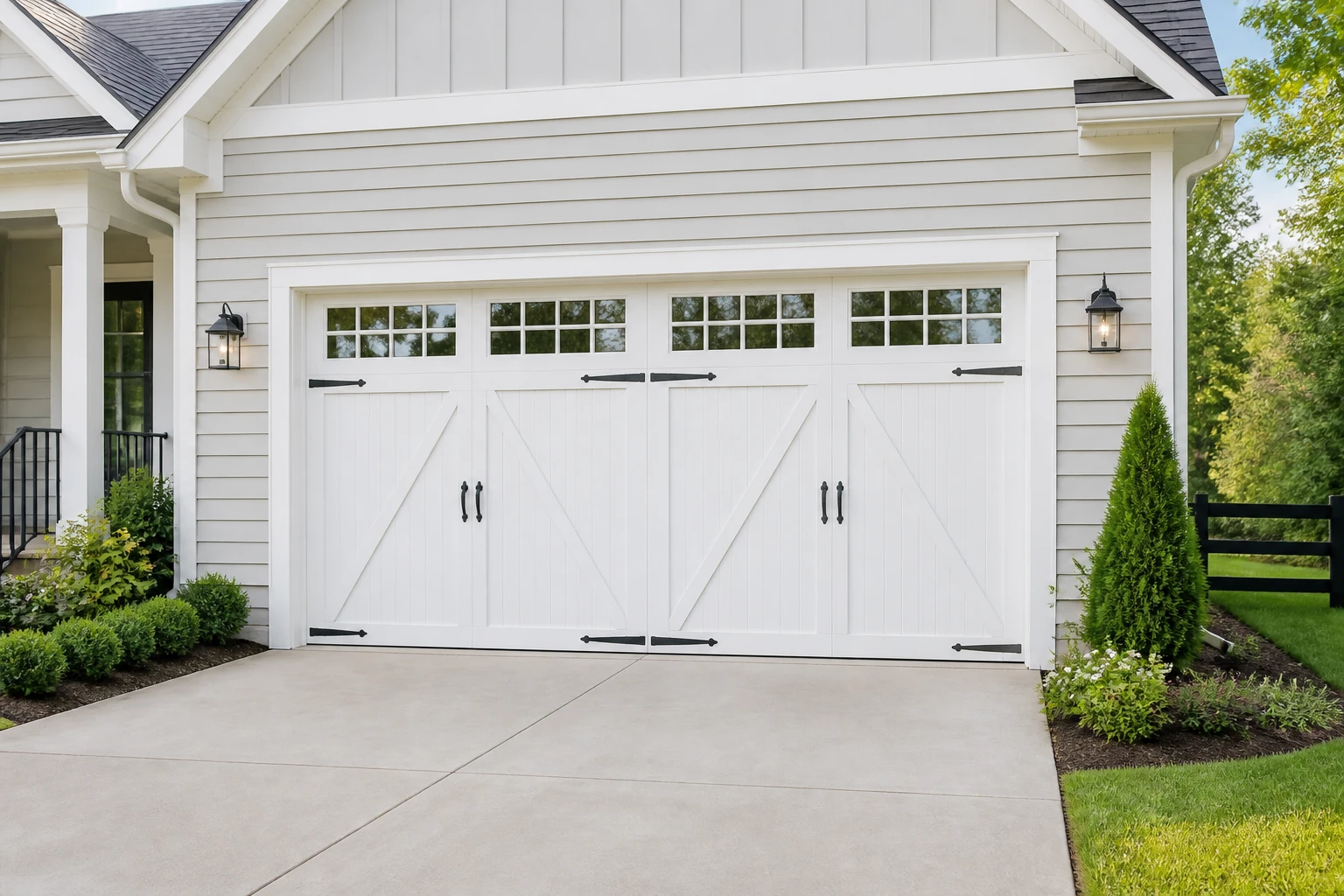
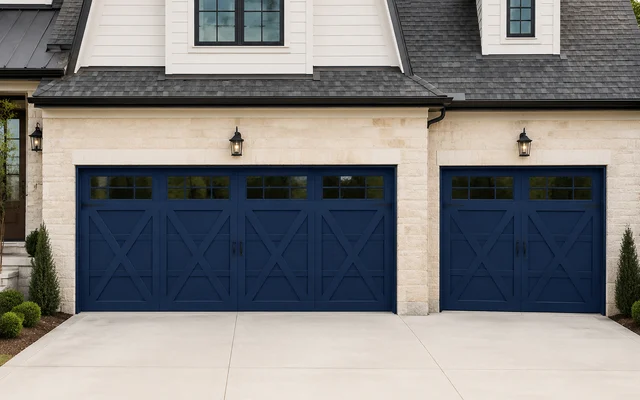
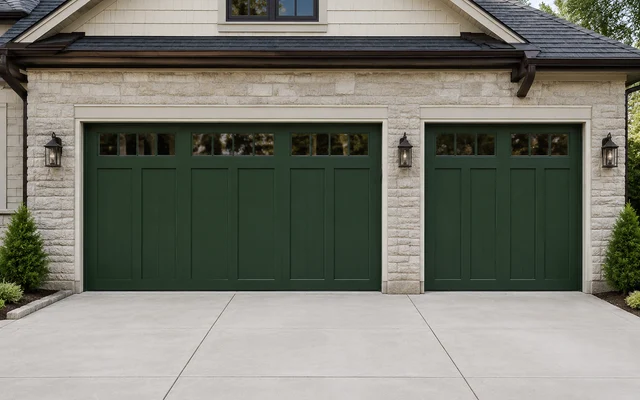
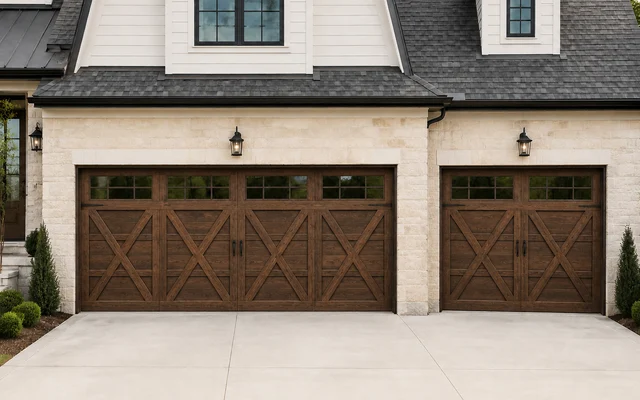
Decorative panels, windows, and hardware create a traditional swing-door appearance while the door opens overhead.
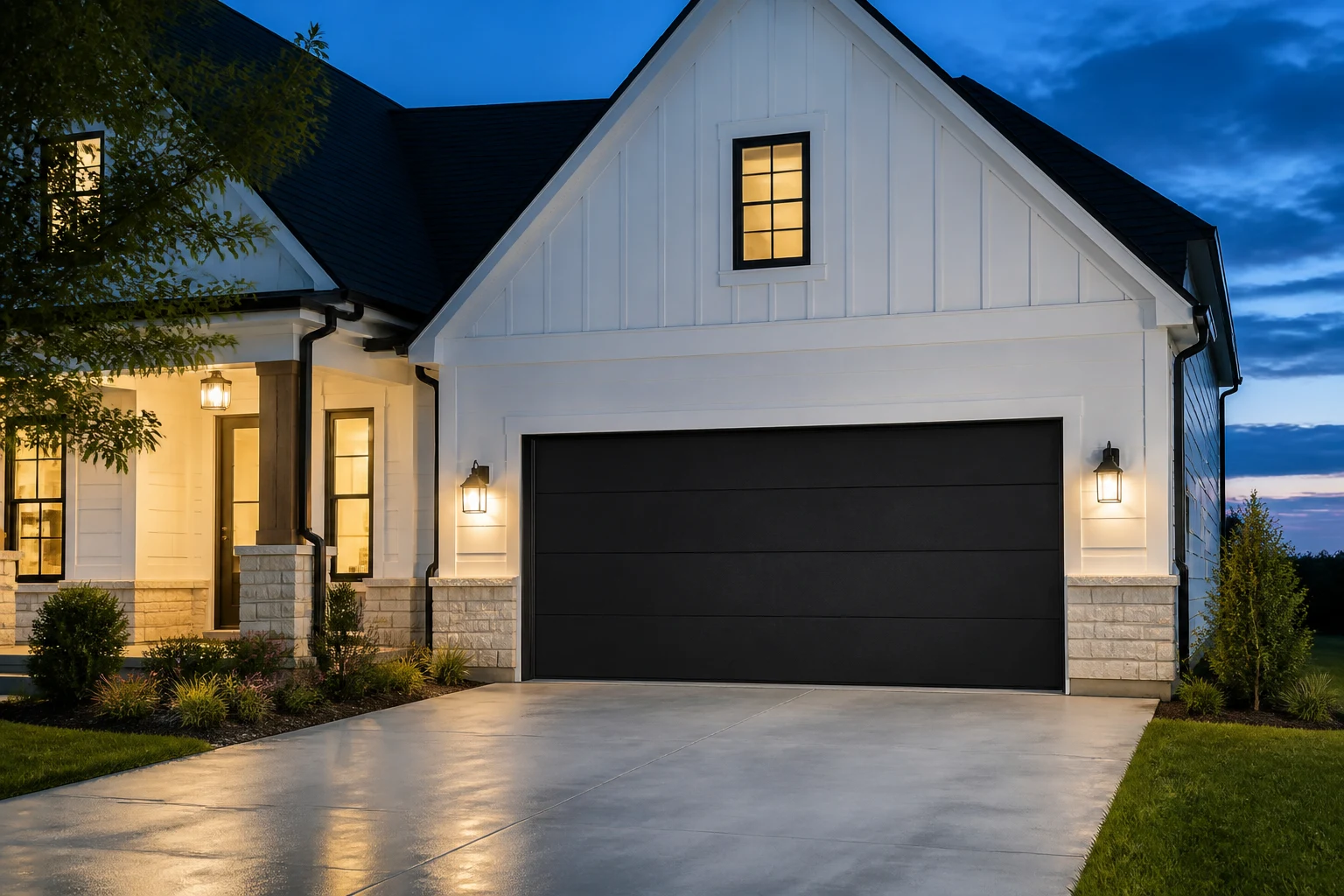
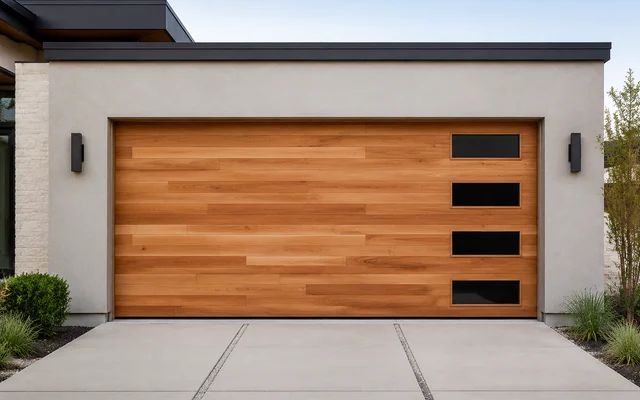
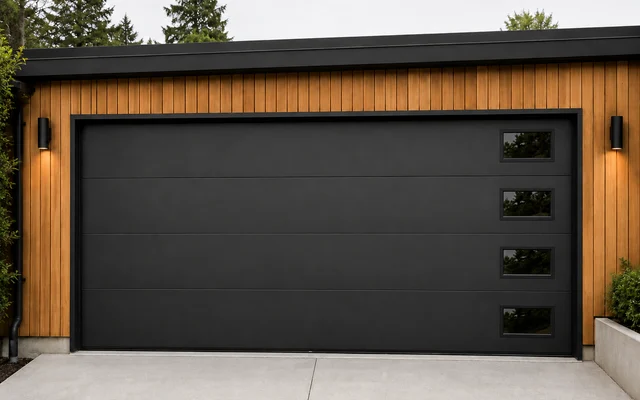
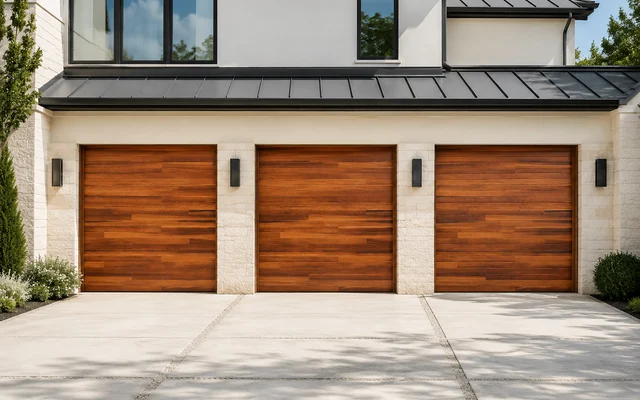
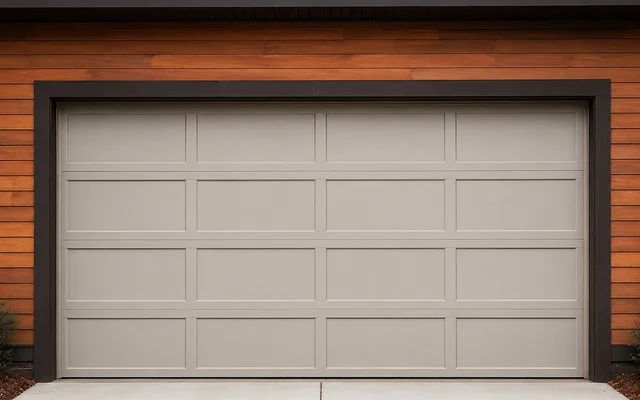
Clean panels, horizontal lines, dark colors, and wood-look finishes create a simple contemporary appearance.
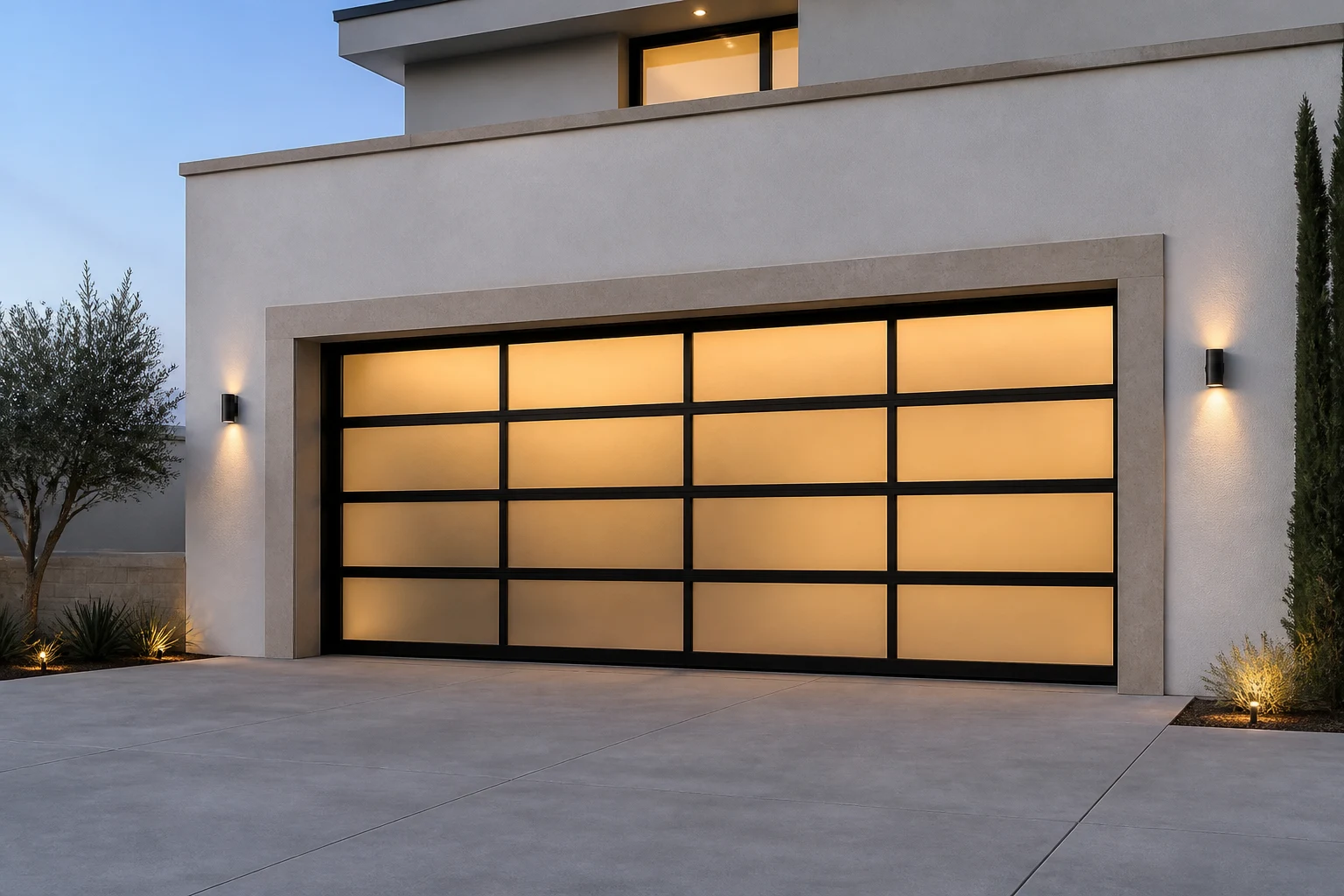
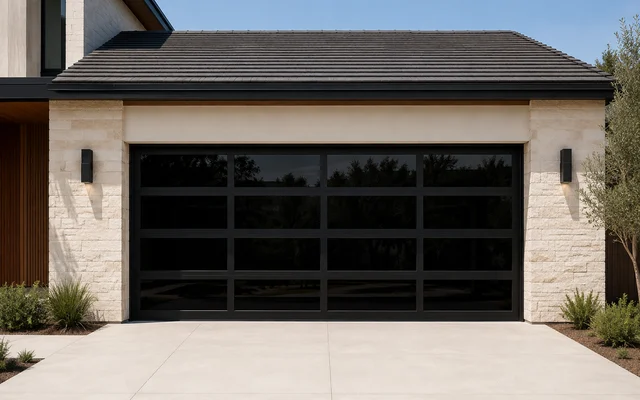
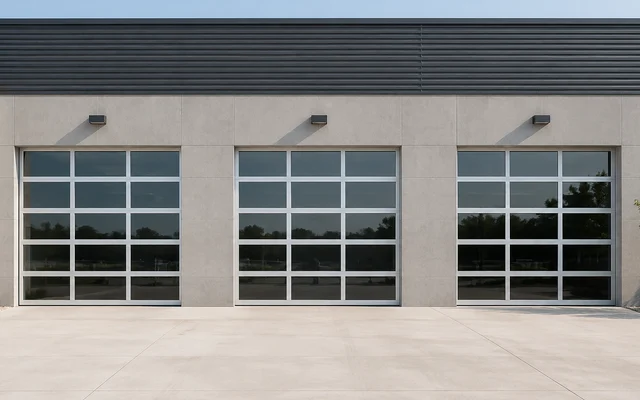
Large glass sections bring natural light into the garage and create a bold modern appearance.
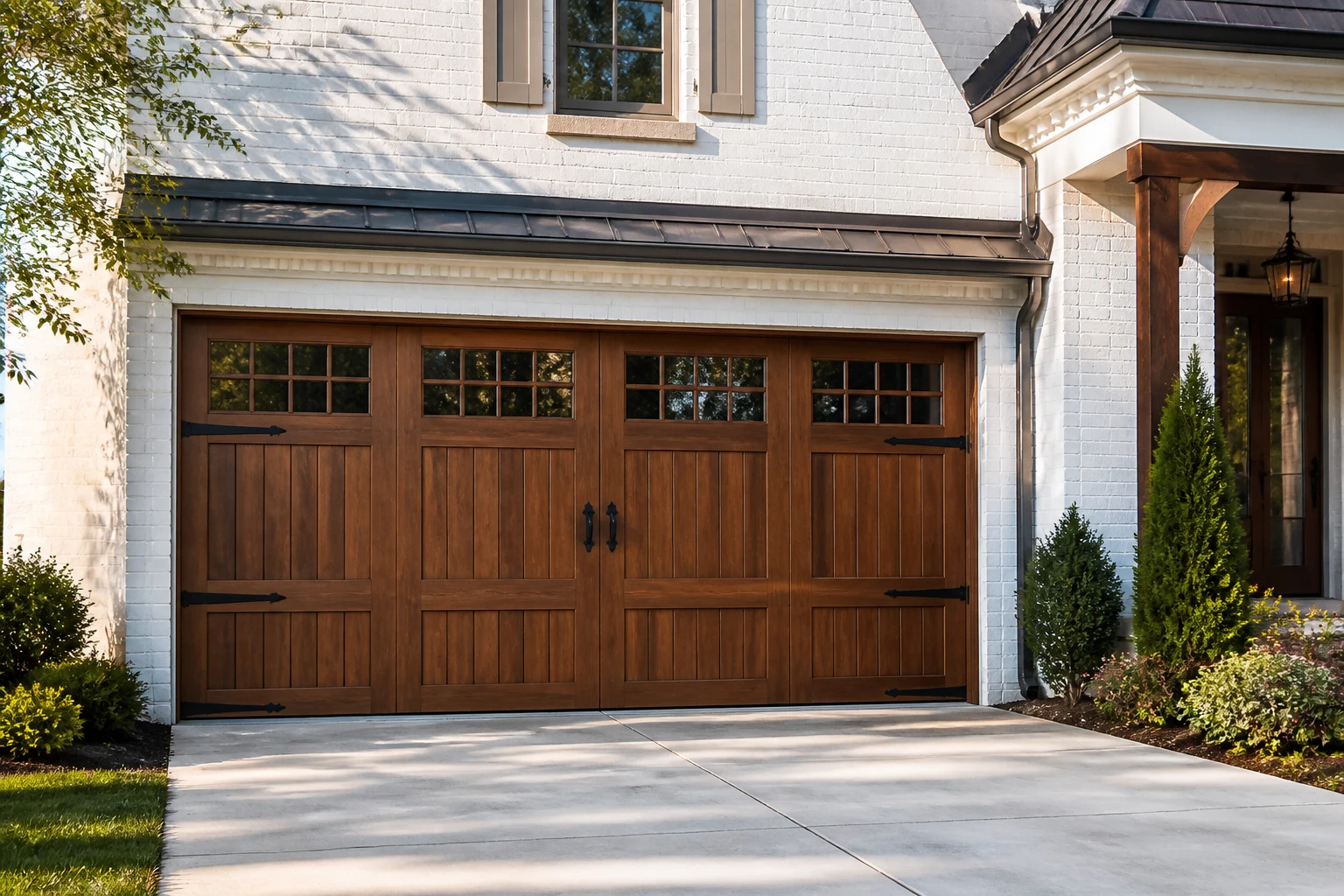
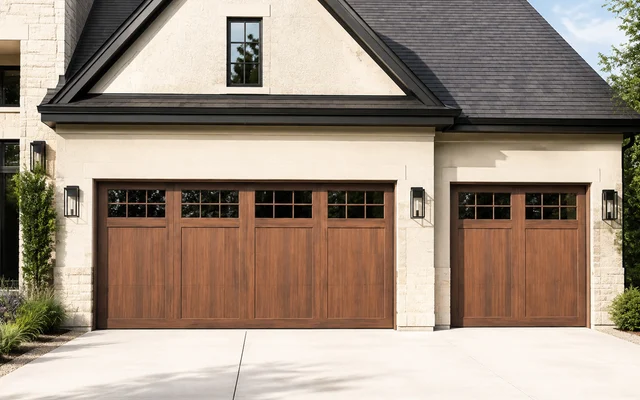
Get the warm appearance of wood with steel, composite, or fiberglass options that require less upkeep than natural wood.
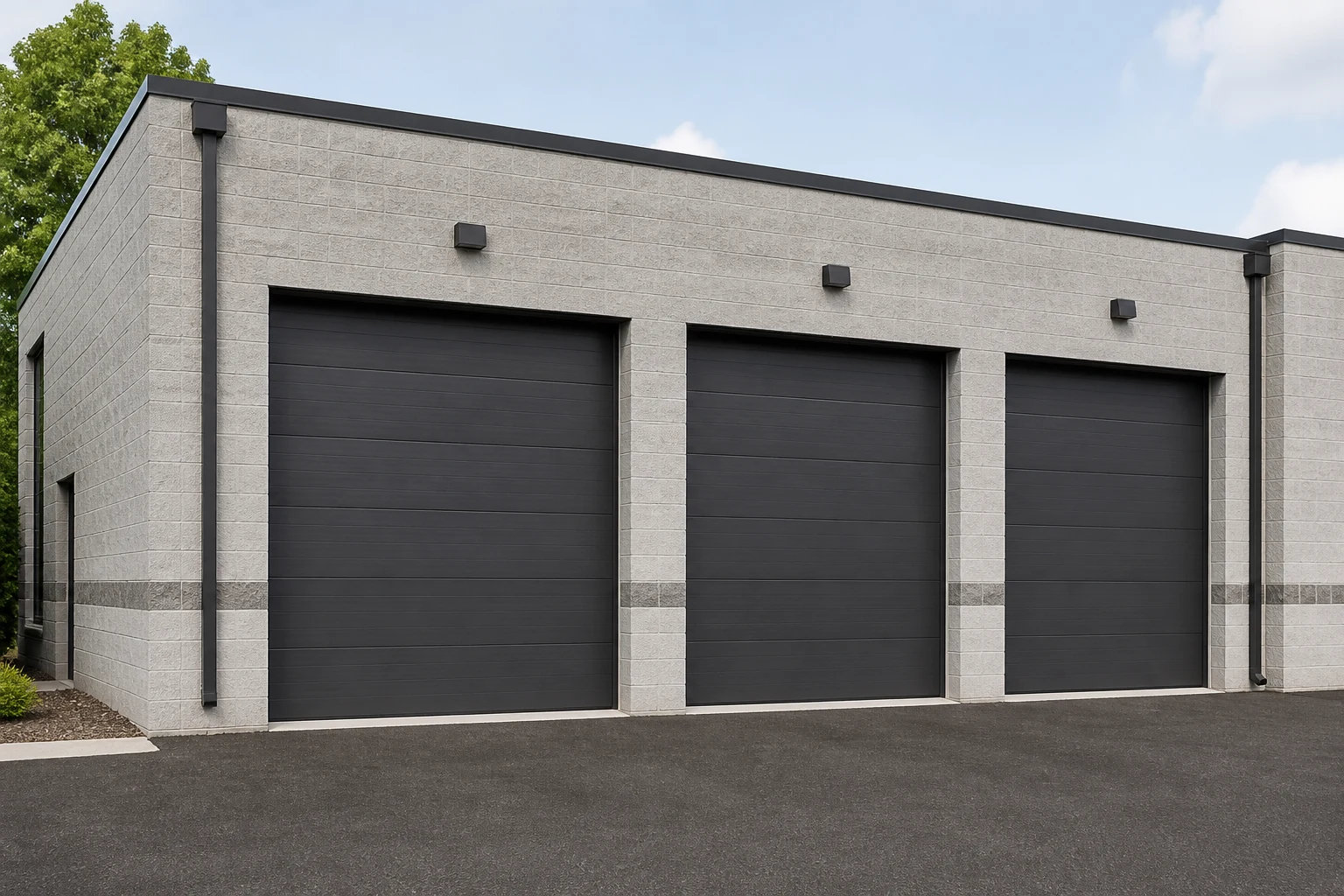
Larger doors, high-cycle use, loading areas, wind requirements, and specialty hardware need a commercial assessment.
What a New Door Can Improve
Choose a door that complements your home’s color, windows, and architectural style.
Insulation and new seals can help reduce major temperature changes.
A new door and properly matched hardware provide a stronger, more dependable barrier.
A properly installed and balanced door can open more smoothly and quietly.
A well-chosen garage door improves one of the largest and most visible parts of your home.
Repair or replacement
If several panels are bent, cracked, rusted, rotted, or sagging, replacing the complete door may cost less over time than repairing one section after another.
A new door may cost less than repeat panel repairs.
Repeated service calls or discontinued replacement panels can make another repair a temporary solution instead of a lasting one.
Repeat calls or discontinued panels add up.
Large gaps, damaged sections, drafts, or water entering around the door may not be solved by a basic repair.
Gaps, drafts or leaks a basic repair may not fix.
A workshop, room above the garage, exterior update, or new comfort and security goals may call for a different style or insulation level.
New uses may call for a different style or insulation.
How we help you decide
We look at the door’s condition, available replacement parts, sealing, appearance, and the likelihood of more repairs. If repairing it still makes sense, we’ll walk you through your garage door repair options.
Garage door installation cost
$1,700–$2,900
A planning range for common configurations. Size, finish, and site conditions affect the estimate.
$2,000–$4,600
A planning range for common configurations. Glass, reinforcement, and door layers affect price.
Project quote
Custom finishes, glass, unusual sizes, and structural work are priced after an on-site visit.
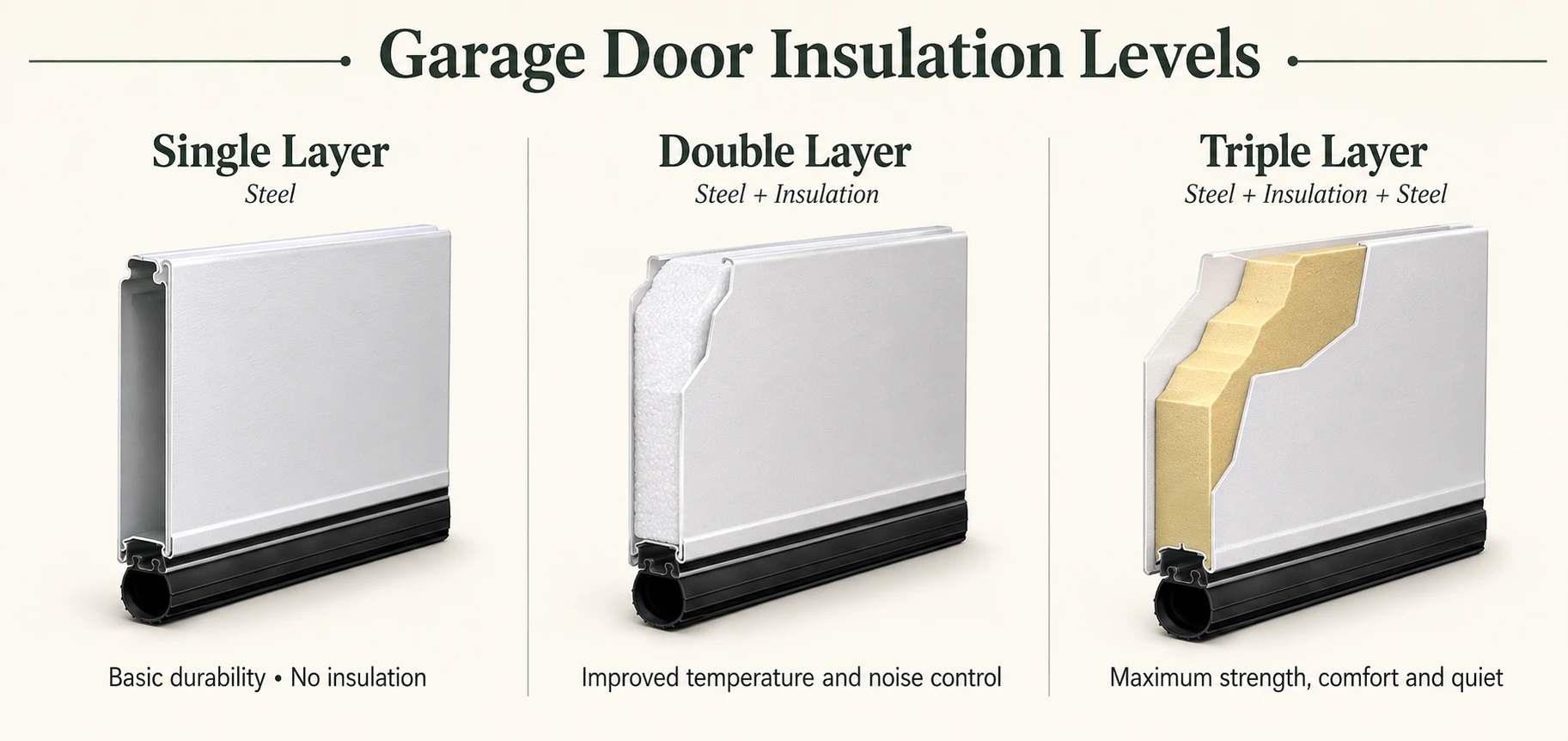
Garage door insulation levels
The best choice depends on whether the garage is attached, what is above or beside it, and how often you use the space.
Quick homeowner guide
Learn what R-value, door layers, attached garages, and Kentucky weather mean for comfort and price.
Best for Detached garages where budget matters most.
Best for Attached garages and value-focused comfort upgrades.
Best for Rooms above, workshops, conditioned spaces, and quieter operation.
What does R-value mean? It helps compare insulation performance. A higher number generally means better resistance to heat flow, but windows, weather seals, and installation quality also affect comfort.
Amarr energy guide| Door / insulation level | Insulation | Durability & maintenance | Benefits & best for | Appearance | Relative price |
|---|---|---|---|---|---|
| Single-layer steel | None | Simple steel exterior; dents remain possible; low routine upkeep | Lowest-cost, lightweight option. Best for detached, unconditioned garages where appearance and budget matter more than temperature or noise control. | Many standard panel and color choices | $ |
| Double-layer steel + insulation | Usually rigid polystyrene; interior finish depends on model | Insulation supports the exterior skin; exposed interior is less finished | Adds moderate temperature and sound control and a more stable feel. Best for homeowners who want an insulated value upgrade without a fully finished interior. | Similar exterior options with a cleaner feel in operation | $$ |
| Triple-layer steel | Polystyrene or polyurethane between exterior and interior steel skins | Finished interior backing protects insulation and adds rigidity | Strongest, quietest, and most finished steel build. Best for attached garages, workshops, conditioned spaces, or garages with living space above. | Finished on both sides; broad premium design choices | $$$ |
| Carriage / overlay design | Varies by the steel base and overlay system selected | Maintenance depends on the overlay or finish material | Adds architectural depth and curb appeal. Best for homeowners prioritizing a carriage-house look; choose the underlying insulation level for how the garage is used. | Decorative depth, hardware, and window patterns | $$$ |
| Full-view aluminum + glass | Depends on glazing and frame configuration; compare complete-door data | Corrosion-resistant frame; glass and finish need appropriate care | Maximizes daylight and modern architectural impact. Best for contemporary homes, studios, gyms, and entertaining spaces where glass, privacy, and thermal tradeoffs are planned together. | Maximum daylight and modern architectural impact | $$$$ |
Colors, windows, and custom details
Style and material guides
Compare panel styles, finishes, windows, materials, and maintenance in a focused guide.
Compare steel, composite, wood-look, and aluminum-and-glass construction based on appearance, upkeep, weight, and budget.
Choose from traditional raised panels, carriage designs, modern flush faces, plank looks, overlays, or full-view glass.
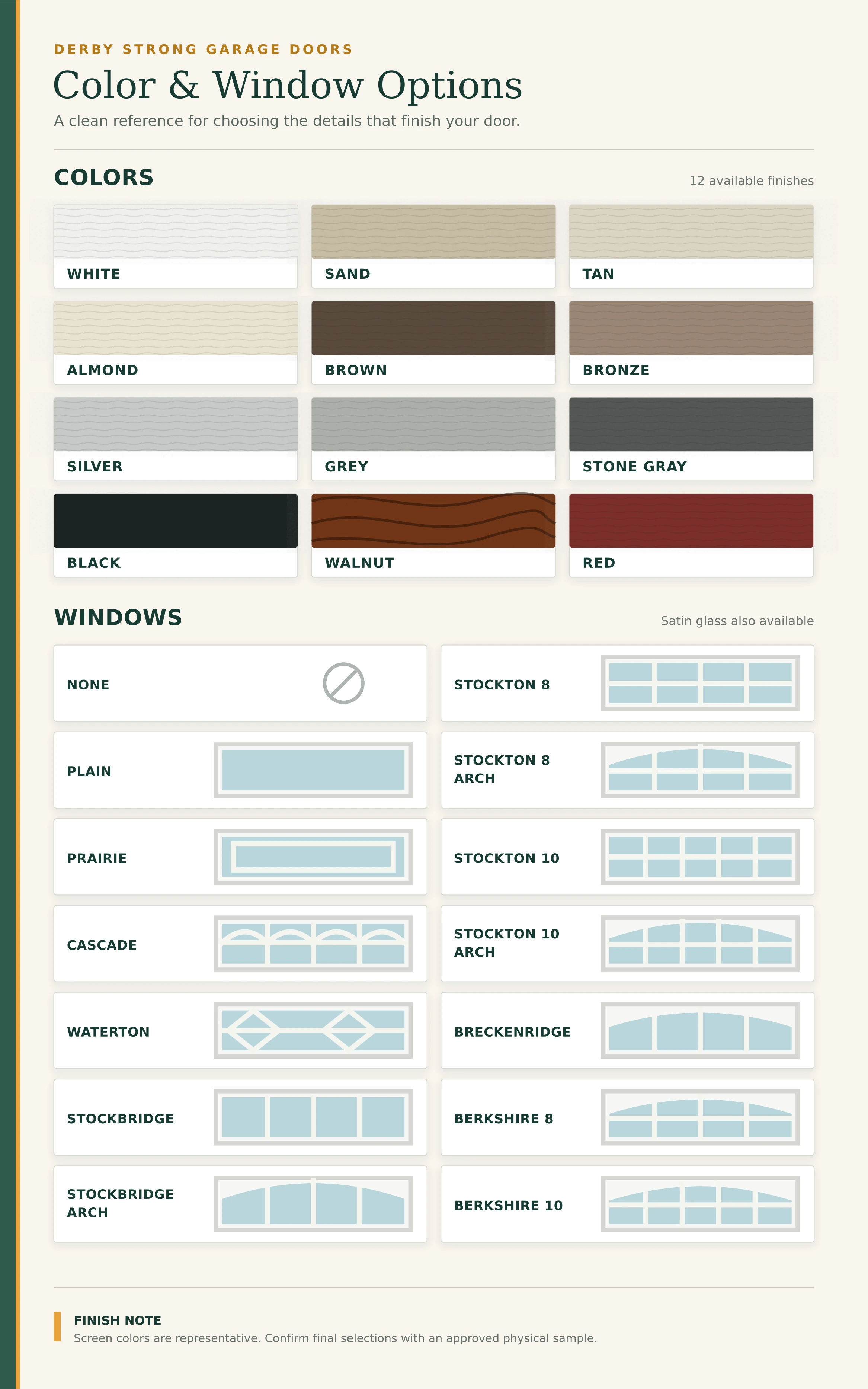
Compare classic colors, dark modern finishes, wood-look tones, and collection-specific custom options.
Choose the window shape, placement, grille pattern, and amount of natural light you want.
Select an insulation level based on how the garage is used, whether it is attached, and your comfort goals.
New bottom and perimeter seals help close gaps around the finished door.
We confirm whether your current opener can work properly with the size and weight of your new door.
Nonstandard door sizes are confirmed with you before the door is ordered.
Compare steel, composite, wood-look, and aluminum-and-glass construction based on appearance, upkeep, weight, and budget.
Choose from traditional raised panels, carriage designs, modern flush faces, plank looks, overlays, or full-view glass.
Compare classic colors, dark modern finishes, wood-look tones, and collection-specific custom options.
Choose the window shape, placement, grille pattern, and amount of natural light you want.
Select an insulation level based on how the garage is used, whether it is attached, and your comfort goals.
New bottom and perimeter seals help close gaps around the finished door.
We confirm whether your current opener can work properly with the size and weight of your new door.
Nonstandard door sizes are confirmed with you before the door is ordered.
Garage door brands and collections

ProDoor Systems offerings
A practical starting point for familiar raised-panel, carriage, and Shaker styles with several insulation choices.
Explore current collectionClean flush panels, flexible window placement, and aluminum full-view options for modern homes.
Explore current collectionCarriage-house overlay designs that let you compare architectural detail and insulation together.
Explore current collectionHigher-insulation steel options for attached garages and comfort-focused projects.
Explore current collection
Amarr offerings
A flexible traditional steel collection with several construction and insulation choices.
Explore current collectionA distinctive three-section carriage-house look with several construction and insulation choices.
Explore current collectionTriple-layer steel options for homeowners prioritizing insulation, strength, and quieter operation.
Explore current collectionFull-view and multi-view aluminum designs with broad glass, privacy, and finish choices.
Explore current collectionWhy homeowners choose Derby Strong Your pre-order checklist
A new garage door is a major home purchase. We help you compare the choices, understand the price, and approve the complete installation before anything is ordered.
Review style, insulation, maintenance, and price before deciding which door to buy.
We check your existing track and opener and confirm every detail before the order is placed.
See the selected door, installation, removal, optional upgrades, exclusions, and total price in writing.
We measure the opening, help you choose the door and install it in Louisville, Lexington, and Northern Kentucky.
How Buying a New Door Works
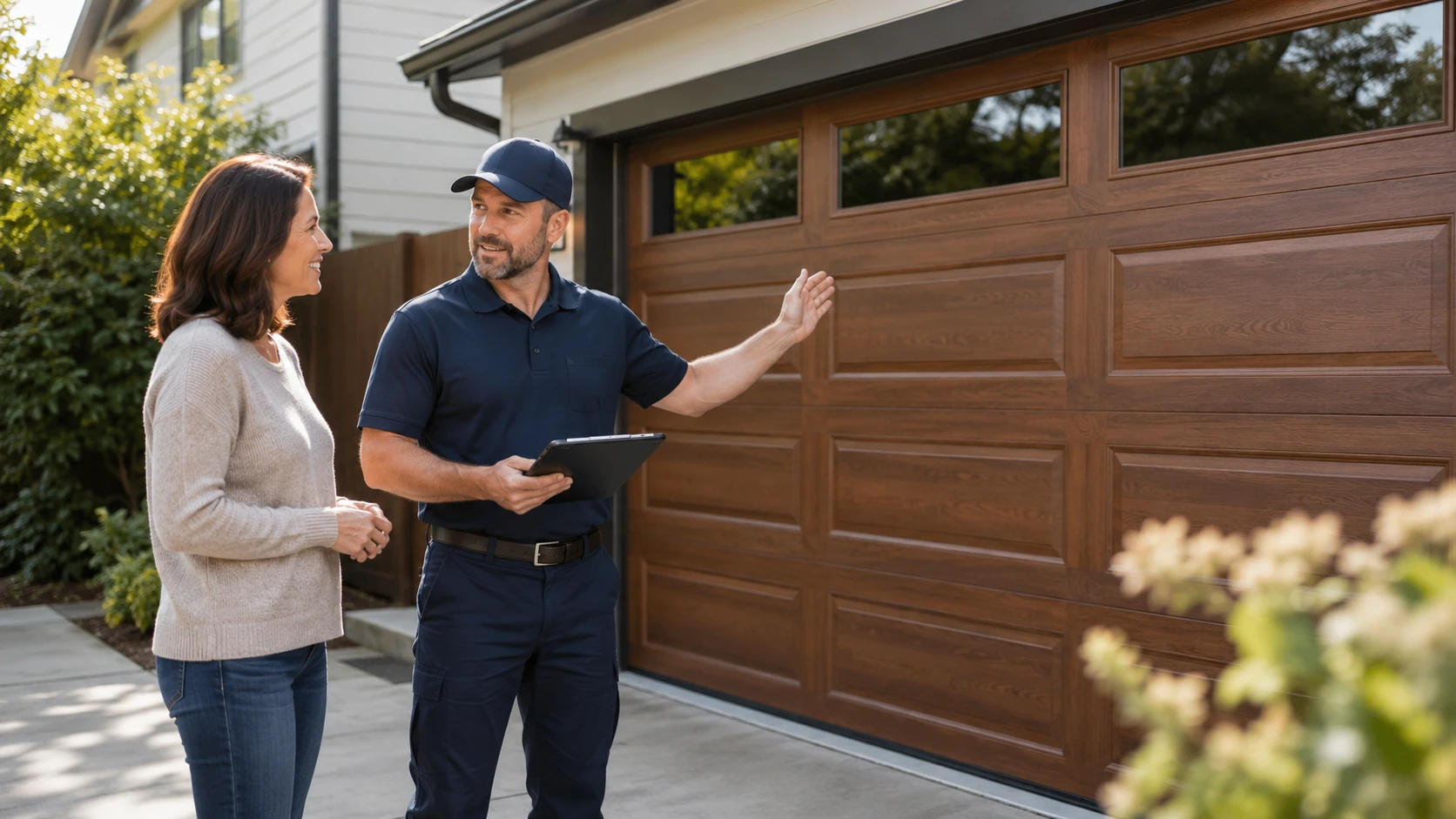
We visit your home, inspect the existing setup, and check whether your current opener can be reused.
We inspect the setup and check the opener.
Compare styles, colors, insulation, windows, and upgrades that fit your home and budget.
Compare styles, insulation and windows.
Review the exact door, installation work, removal, optional upgrades, warranty information, and total price before ordering.
Review the door, work and total price first.
We place the order and confirm the expected arrival time. Custom sizes, colors, and windows may take longer.
We order it and confirm the arrival time.
We install and balance the door, connect the opener when included, test the safety features, and show you the finished system.
We install, balance and safety-test the door.
How long does it take? Once your door arrives, a straightforward residential replacement is often completed in one scheduled visit. The ordering time depends on the size, style, color, windows, and current manufacturer availability.
Garage door help guides
The door width and height are only the starting point. Check the space above and beside the opening, the room for the track inside the garage, and the existing opener before the exact door configuration is finalized.
Garage door installation FAQs
The selected door, standard hardware, installation labor and removal of the old door are included. The installation also includes a one-year labor warranty, in addition to the applicable manufacturer’s product warranty. The proposal identifies any optional upgrades or additional work, including opener replacement when selected.
Derby Strong includes a one-year labor warranty. Your door also carries the applicable manufacturer’s product warranty, whose coverage and duration depend on the selected product. Keep both written warranty records so installation coverage and product coverage are clear.
Use the cost estimator to select the door size, style, material and options for your project. Its calculated range includes the door, standard hardware, installation labor and old-door removal. Measurements and the final configuration confirm the project price; any additional site work should be identified in the proposal.
Repair often makes sense when the damage is isolated, compatible parts are available, and the sections, track, and framing remain sound. Replacement deserves a closer look when damage is widespread, repairs repeat, sections sag or deteriorate, compatible panels are unavailable, the door no longer seals or secures the garage, or you want a different insulation or design level. Compare the repair cost, expected remaining life, complete system condition, and performance goals—not one rule of thumb.
Confirm the exact door, style, color, insulation, windows, and hardware; whether the existing track and opener can be reused; installation labor and removal; optional upgrades and exclusions; warranty coverage; expected timing; and the complete price. Derby Strong reviews these details with you and provides them in writing before the order is placed.
Often, yes—if the opener is in serviceable condition, compatible with the new door and track, appropriately configured, securely mounted, and able to pass travel, force, reversal, and photo-eye safety checks. The opener should move a properly balanced door, not compensate for excessive door weight. A new opener is a separate upgrade when the existing unit is incompatible, unreliable, damaged, or missing desired safety or access features.
Ordering and delivery varies with the exact model, size, color, insulation, windows, glass, finish, and current supplier availability, so a reliable date is provided only after the configuration is selected. Once the door has arrived, many straightforward residential replacements are completed in one scheduled installation visit. Custom doors, framing corrections, commercial systems, or specialty glass may require additional time or visits.
Polystyrene is typically installed as rigid insulation panels and is common in value-oriented insulated doors. Polyurethane is injected as foam, fills the cavity, and bonds to the skins; it often provides greater thermal resistance and rigidity at a similar thickness. The exact performance depends on the complete manufacturer configuration.
R-value describes resistance to heat flow; a higher published value means greater resistance for the tested door section or material. It is not a whole-home energy rating. Windows, perimeter seals, section joints, installation quality, and the complete-door U-factor affect real performance, so compare values using the manufacturer’s stated test basis.
Insulation is often worth comparing for an attached garage, a garage used as a main entry, a workshop, a conditioned space, or a garage with a room above it. A detached, unconditioned garage may not need the highest insulation package. Climate, sun exposure, use, glazing, seals, and budget should be considered together.
Sometimes, but changing the door size usually involves structural design, framing, exterior finish, permits or code review, and a new door and track layout. That is not a standard door-only replacement. A qualified contractor should evaluate the structure before a garage door is ordered.
The most common single-car doors are 8 or 9 feet wide by 7 feet tall, with 8-foot-tall versions for taller vehicles. Double-car doors are usually 16 feet wide by 7 or 8 feet tall, and some are 18 feet wide. Sizes are given width first and measured at the finished opening. We also measure headroom, side room and backroom before ordering, because a nonstandard opening needs a custom-sized door.
Windows change thermal performance, weight, privacy, daylight, and appearance. Insulated glass, obscure or tinted glass, placement, and the surrounding door build can help balance those goals. The spring and hardware configuration must account for the final glass weight.
The best Amarr collection depends on the look, insulation, and budget you want. Lincoln and Hillcrest offer familiar traditional styles, Classica has a carriage-house appearance, Olympus focuses on insulated triple-layer doors, Northwoods offers a plank-style wood look, and Vista or Horizon provide modern aluminum-and-glass designs. We can help narrow the choices during a free consultation.
Garage doors combine heavy sections, overhead track, lifting equipment, and high-tension spring and cable systems. Incorrect installation can cause a fall, uncontrolled door movement, serious injury, property damage, or premature component failure. Industry safety guidance recommends trained installation and service personnel for this work.
Door inspiration
Steel, carriage-house, modern plank, wood-look, and full-view glass styles we can help you compare.
Service areas
Find the Right Garage Door for Your Home