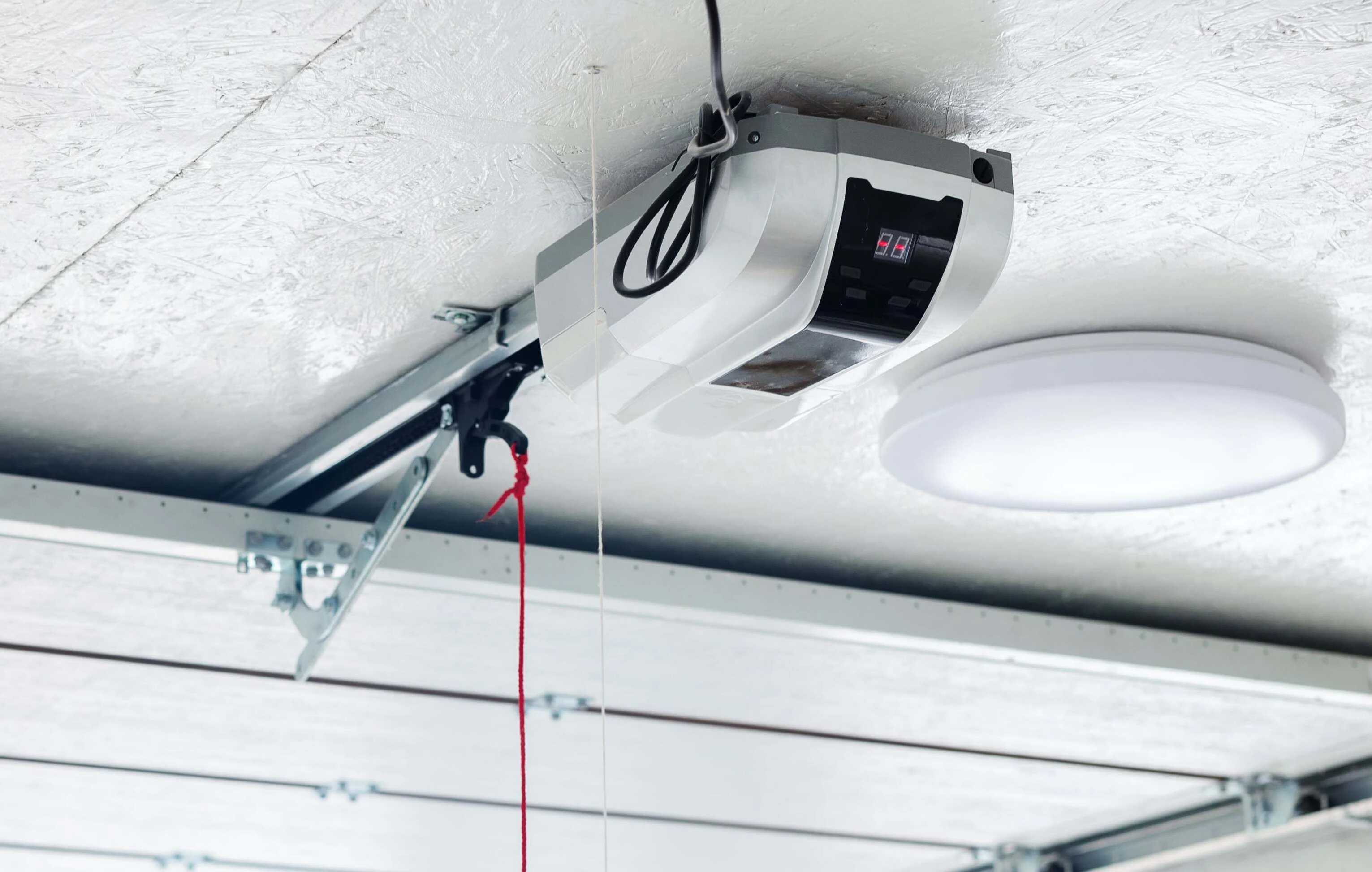
Quiet belt-drive systems
Belt drive
We diagnose belt wear, trolley problems, travel settings, controls, sensors, and unusual vibration on supported models.
Explore Belt drive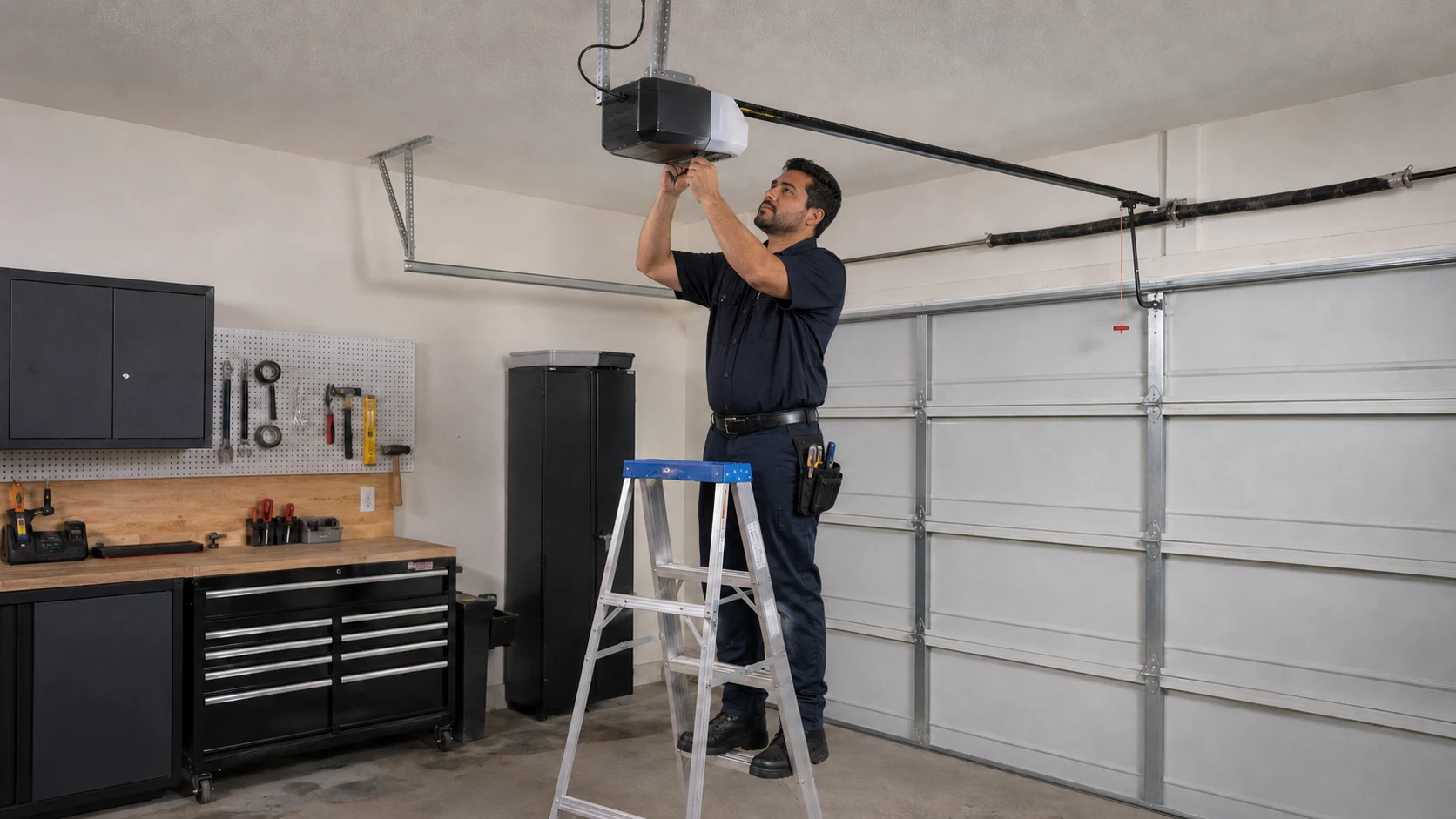
Garage door opener repair across Louisville, Lexington and Northern Kentucky starts with the whole door, not just the motor. We check balance and safety sensors, then repair the failed control, trolley, gear, belt or chain drive on supported models.
Opener repair starts with the whole door. Then we repair the failed control, sensor, gear or drive.




Diagnose before replacing
An apparent motor failure is often a sensor, power, spring, or track problem, and a complete diagnosis protects the opener from an unnecessary replacement.
If the door is crooked, unusually heavy, dropping, or binding, stop cycling the opener and keep clear—a stronger motor does not correct a door-system problem.
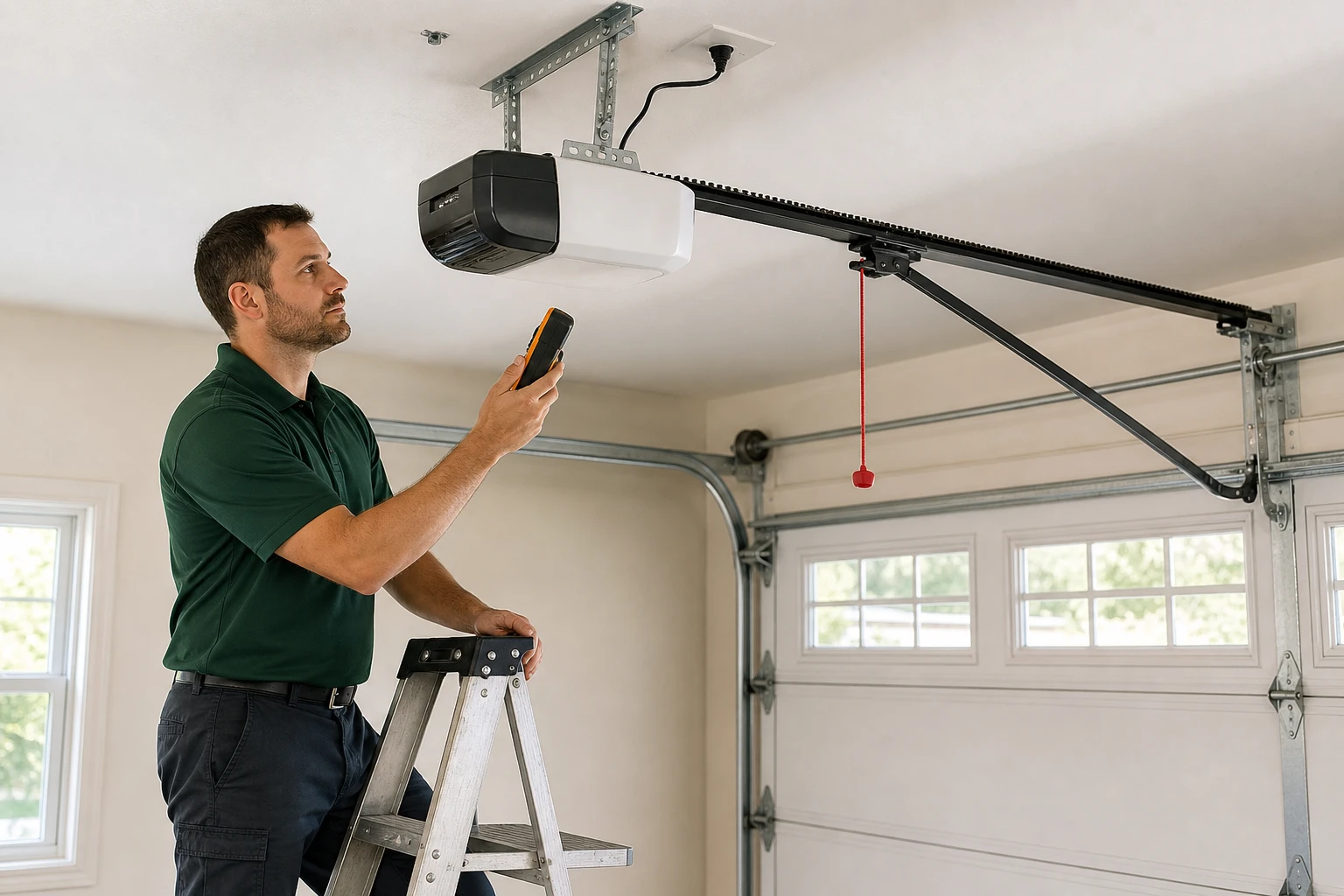
Service guide
Know your options
There is no universal age cutoff. We confirm the door itself is sound, identify the failed component, then compare the cost and value of both paths.
Sensors, gears, and model-supported boards can often be serviced instead of replaced.
Sensors, gears and supported boards can often be serviced.
Replacement is the better call when modern reversal protection cannot be restored or compatible parts are gone.
Replace when reversal safety or parts support is gone.
We weigh repair cost, unit condition, and the features you actually use before recommending a path.
We weigh repair cost, unit condition and features you use.
If replacement is the safer value, we explain why and move that project to the separate opener installation service.
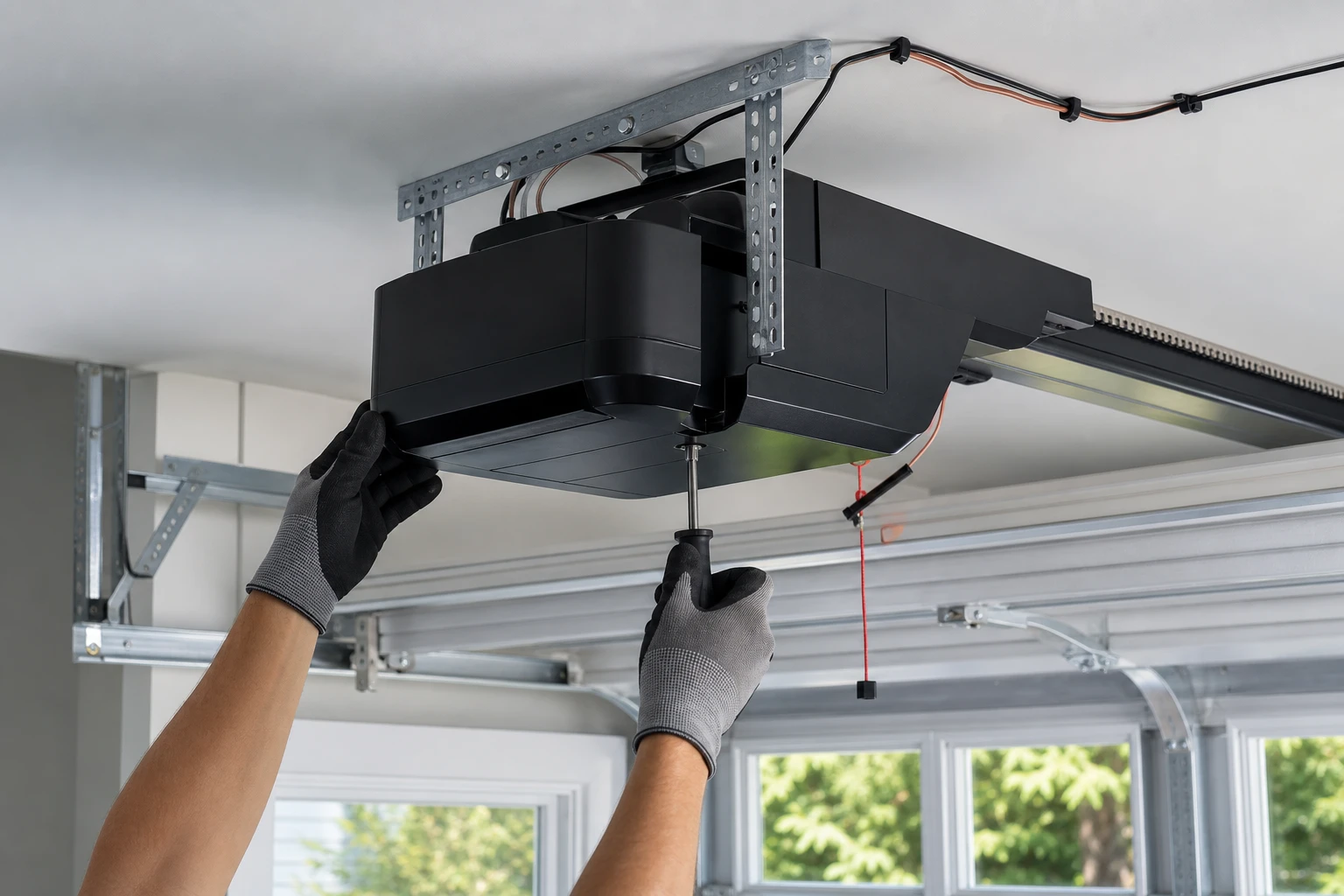
Diagnosis, repair, and pricing
We test door balance, the spring system, and the opener’s rail, trolley, and sensors.
We test balance, springs, rail, trolley and sensors.
Electrical, mechanical, control, sensor, and door-system causes are separated so the quote shows what failed.
We pinpoint what failed so the quote is clear.
Supported controls, sensors, wiring, gears, trolleys, belts, chains, settings, and model-specific parts are repaired or replaced.
The failed part is repaired or replaced on supported models.
Travel and force are set, photo eyes and contact reversal are tested, and working controls are confirmed.
Travel, force, photo eyes and controls are tested.
Drive systems and brands
Quiet belt-drive systems
We diagnose belt wear, trolley problems, travel settings, controls, sensors, and unusual vibration on supported models.
Explore Belt drive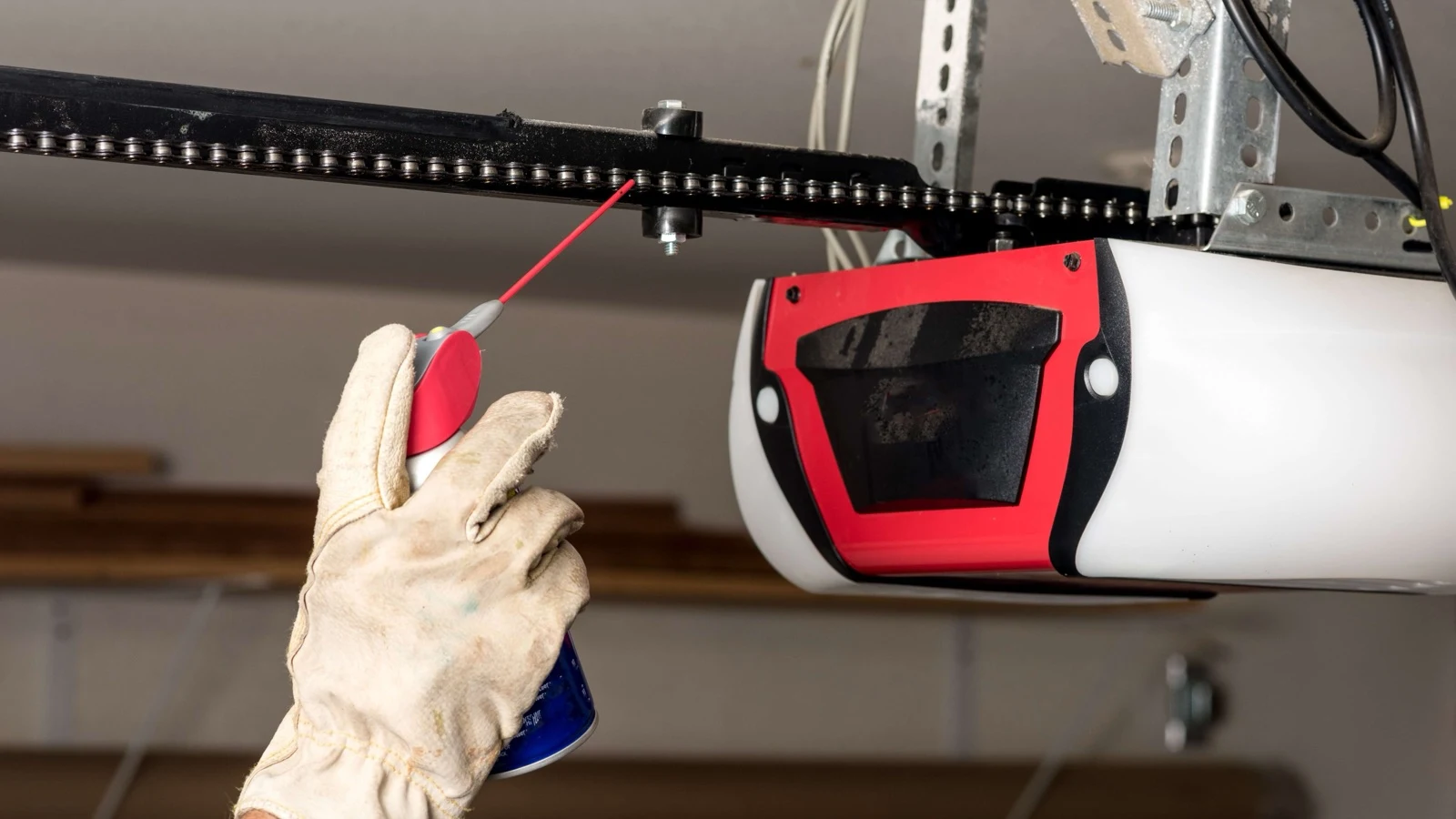
Durable chain-drive systems
We service chains, sprockets, gears, trolleys, controls, sensors, and travel problems on supported models.
Explore Chain drive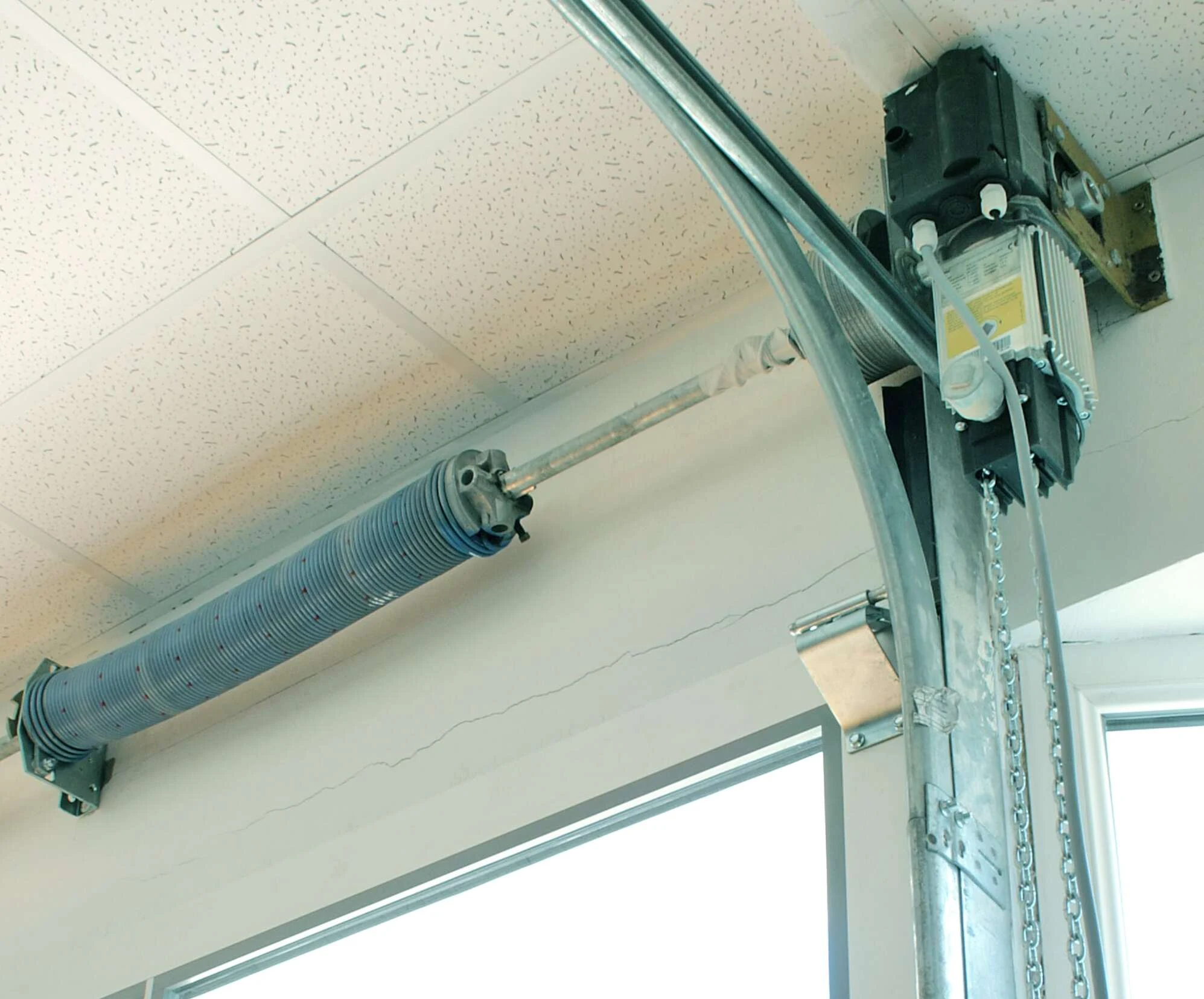
Side-mounted jackshaft systems
We diagnose wall-mount controls, travel faults, locks, cable-tension monitors, sensors, and model-specific components.
Explore Wall mount / jackshaft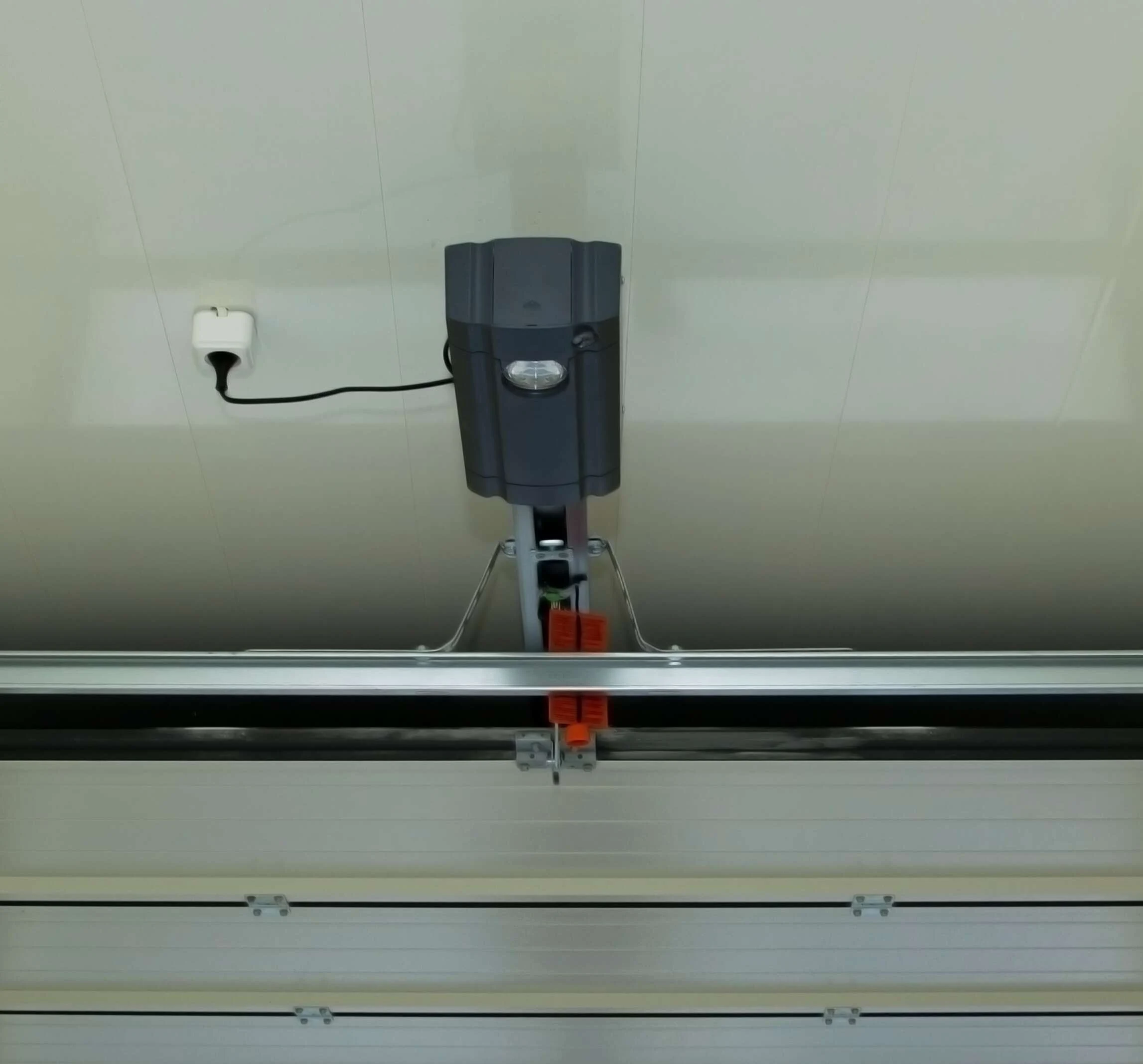
Legacy model-specific support
Common in older Kentucky garages. We diagnose screw-drive systems and confirm whether compatible repair parts remain available.
Explore Screw driveWe diagnose and repair all major opener brands when compatible parts and technical support remain available. If a safe repair is not possible, we explain why and point you to the separate opener installation service.
Compare all opener brands







Before you schedule
Typical opener repairs commonly plan around $150–$350 for controls, sensors, settings, gears, trolley, or drive work. Major boards, motors, model-specific parts, and related door repairs may cost more. Your technician diagnoses the complete door and opener before confirming the exact repair and price.
Repair can make sense when the door is balanced, the failed part is available, the unit has functional modern reversal protection, and the remaining system is in good condition. Replacement is usually the better conversation when required safety protection cannot be restored, parts are obsolete, several major assemblies are failing, repair approaches the value of an appropriate new system, or you want features the current model cannot support.
We diagnose and repair major opener brands including LiftMaster, Chamberlain, Genie, Craftsman, Overhead Door, Wayne Dalton, Linear, and Sommer. Repair depends on the model’s condition and whether compatible parts and technical support remain available.
A blocked, dirty, misaligned, damaged, or incorrectly wired safety sensor is common, but travel settings, door binding, an obstruction, wall-control settings, or opener electronics can create similar symptoms. Do not repeatedly force the door. Clear the opening and schedule diagnosis if the lights blink or the problem returns.
The trolley may be disconnected, or the unit may have a worn gear, sprocket, belt, chain, carriage, or motor component. A broken spring, cable problem, jammed roller, damaged track, locked door, or unbalanced door can also prevent movement. Stop cycling the opener so the underlying problem does not create more damage.
Weak batteries, lost programming, damaged wiring, a failing wall control, receiver problems, radio interference, power issues, or opener electronics can interrupt commands. We test each control path separately so a working component is not replaced unnecessarily.
A loose rail or mounting bracket, worn trolley, gear or sprocket damage, belt or chain problems, dry or damaged door hardware, or an unbalanced door can make the opener noisy. Stop repeated cycling if the sound is new or severe so the underlying problem does not create more damage.
No. The spring system should counterbalance the door so it moves smoothly and is reasonably easy to operate by hand. A heavy, dropping, binding, or unbalanced door needs the underlying spring, cable, roller, or track problem corrected before the opener is put back into service.
Tell us which controls work, whether the motor runs, and whether the door moves smoothly by hand.