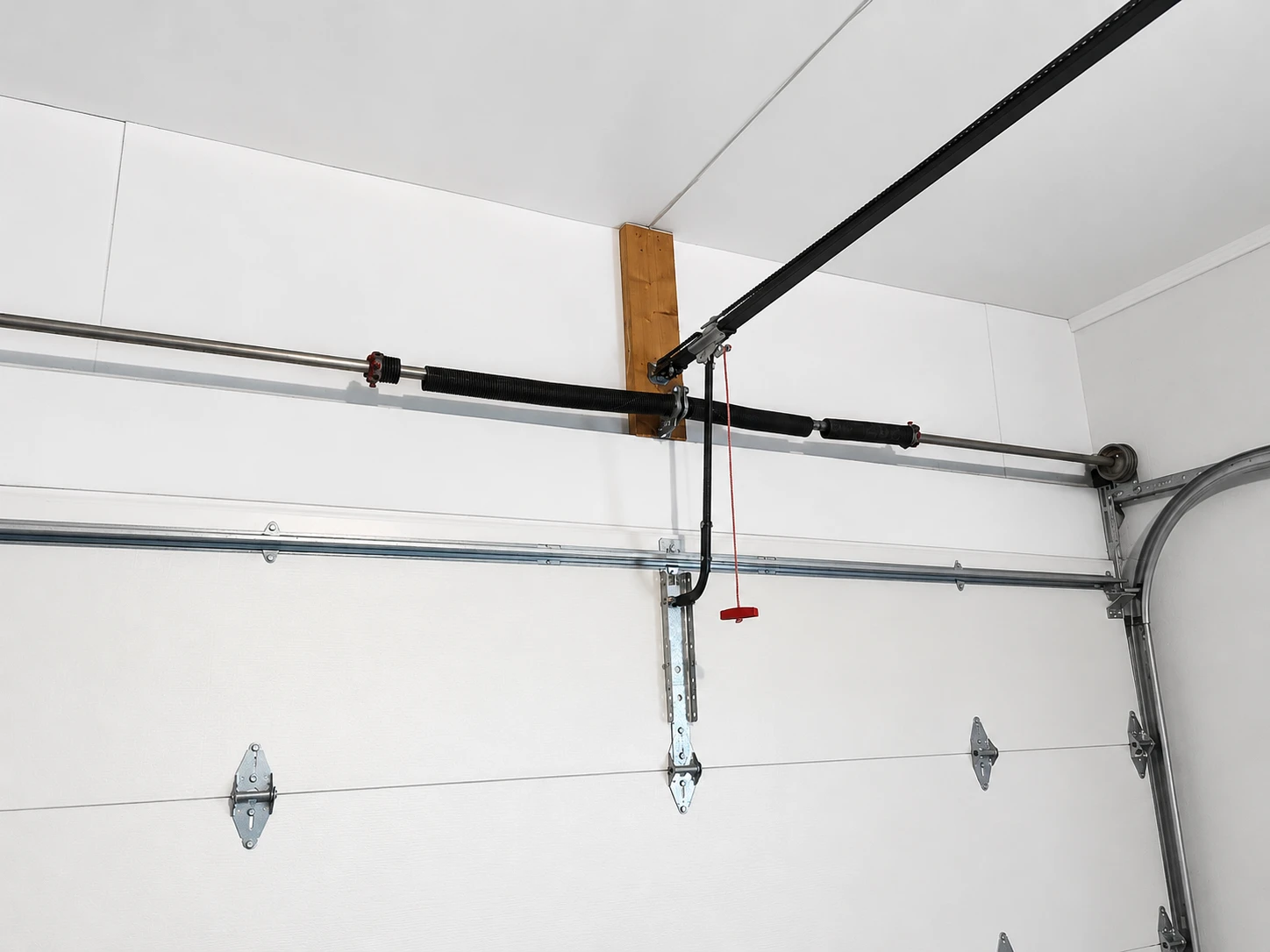
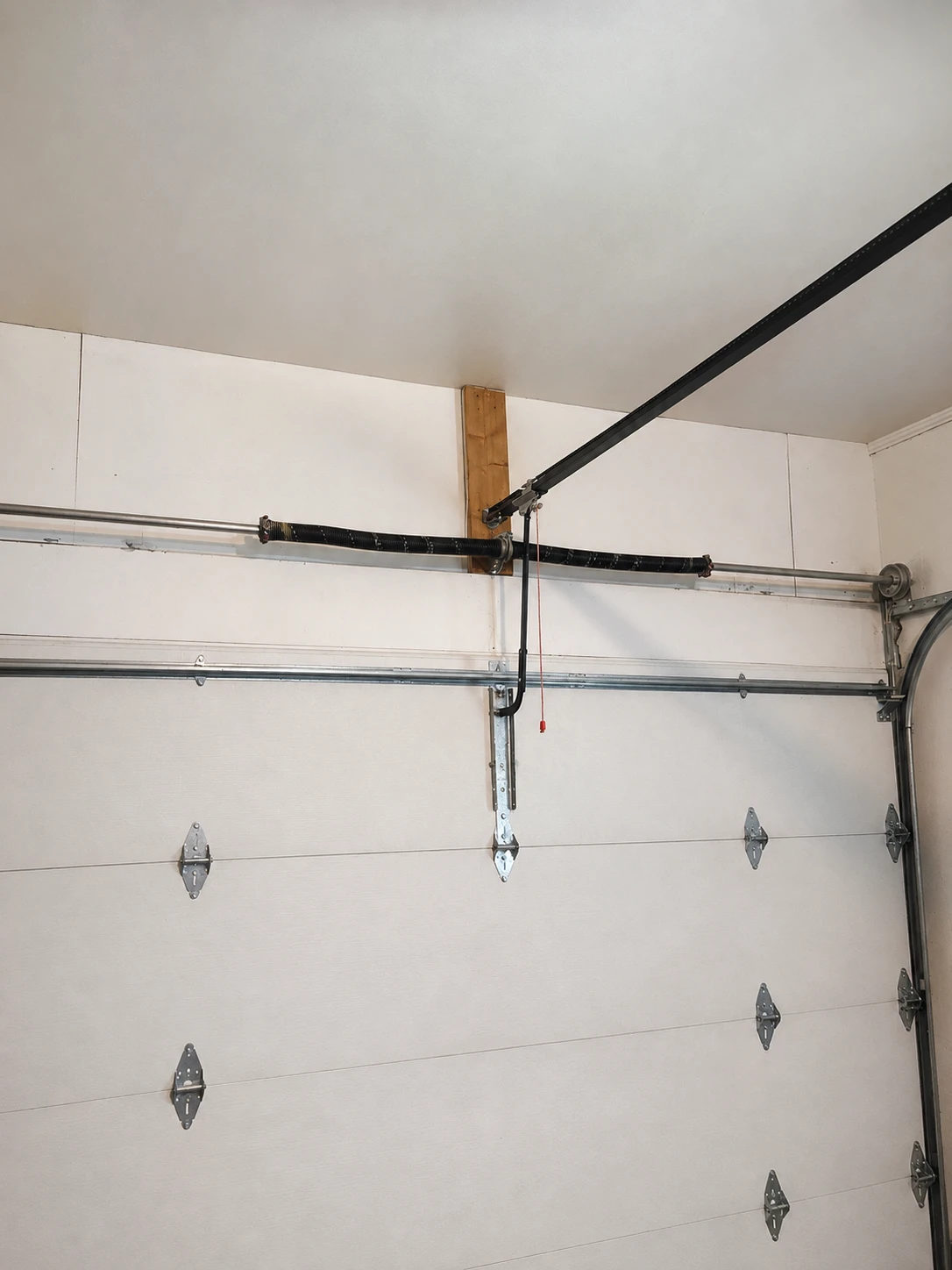
Torsion springs
- Location
- On a steel shaft above the door
- Movement
- Twists on the shaft to create torque
- Failure sign
- A visible gap opens in the coil
- Safety
- The shaft and hardware remain under high tension
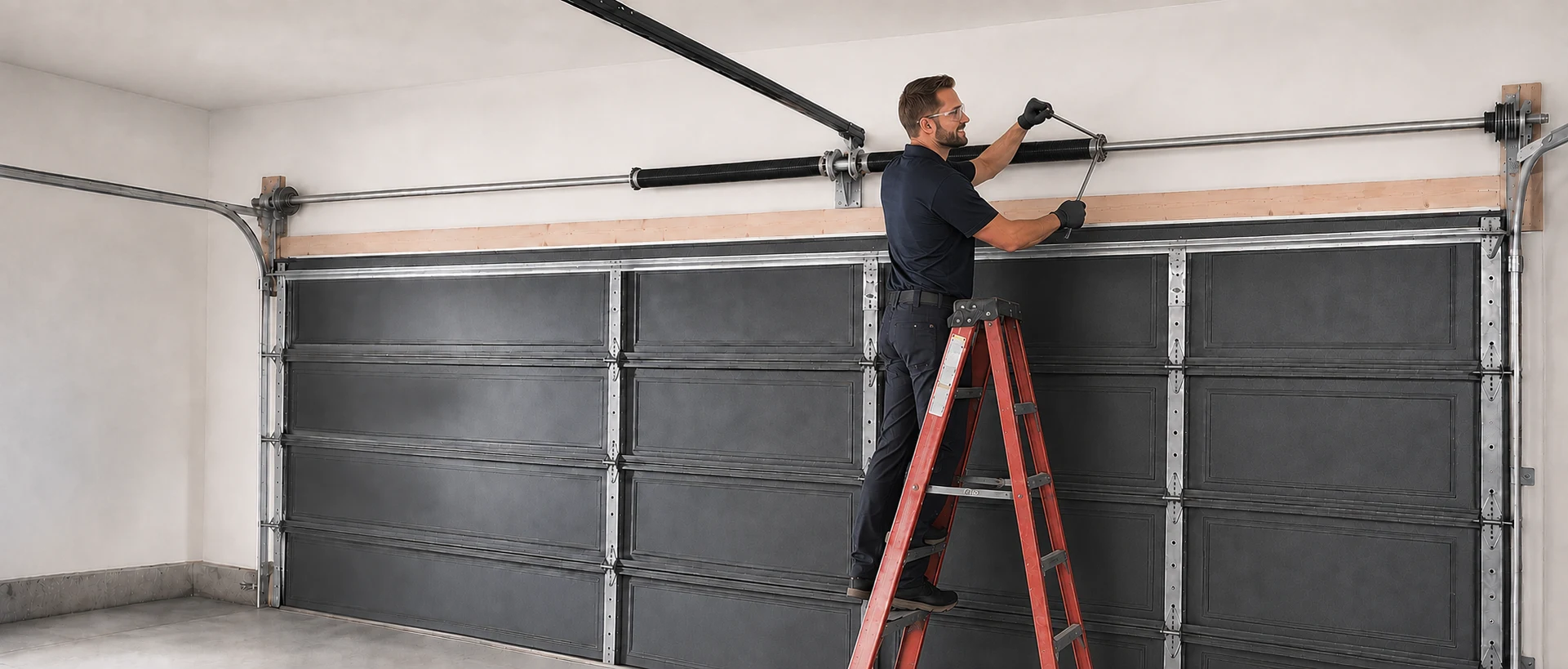
In the Dayton Pike Corridor, garage door spring replacement follows the house, from torsion springs at Pottebaum Point to extension springs on older hillside homes. Each new spring is matched to the door it will carry.
Garage door spring replacement along the Dayton Pike Corridor is matched to each house.




Safety check
What to do now
Do not touch the spring, cables, brackets, or emergency release. If the spring area is visible from the floor, a wide photo can help us prepare the right parts.
Customer reviews
Know the system
Some doors use enclosed spring assemblies, low-headroom hardware, conversion kits, or custom commercial configurations. These systems require model-specific parts and measurements before a quote can be finalized.
Not sure what you have? Send a wide photo from the floor. We can often identify the general system before the appointment, then confirm measurements on site.
Spring selection
A spring must counterbalance the actual weight of the door. We account for its width, height, panel material, insulation, glass, and any replacement sections.Sized to the actual weight of your door.
Cables, drums, bearings, center brackets, the torsion shaft, and fasteners share the load. Worn or mismatched parts can cause poor balance or repeat failure.Cables, drums and bearings share the load.
Wire size, inside diameter, coil length, winding direction, spring count, and cycle rating have to work together—not simply resemble the old part.Wire, diameter and length must all match.
Frequent operation, low-headroom tracks, custom doors, earlier conversions, and unusual access can all change the recommended setup.Use and headroom can change the setup.
On a two-spring garage door: both springs usually share the same age and cycle history. If one breaks, the other may be close behind. A paired replacement is often recommended, and the technician should explain the reason for your specific door before work begins.
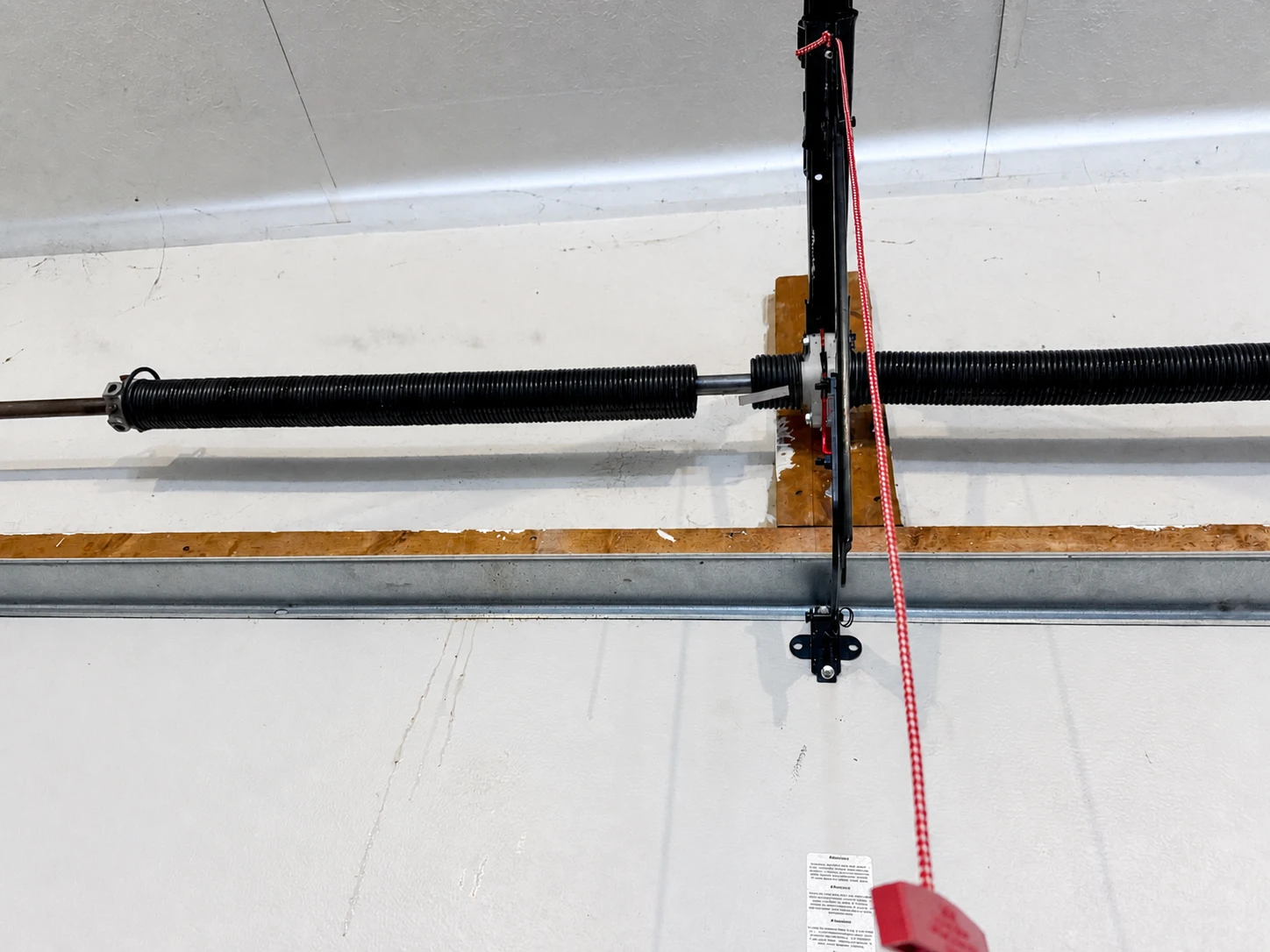
Before · Broken spring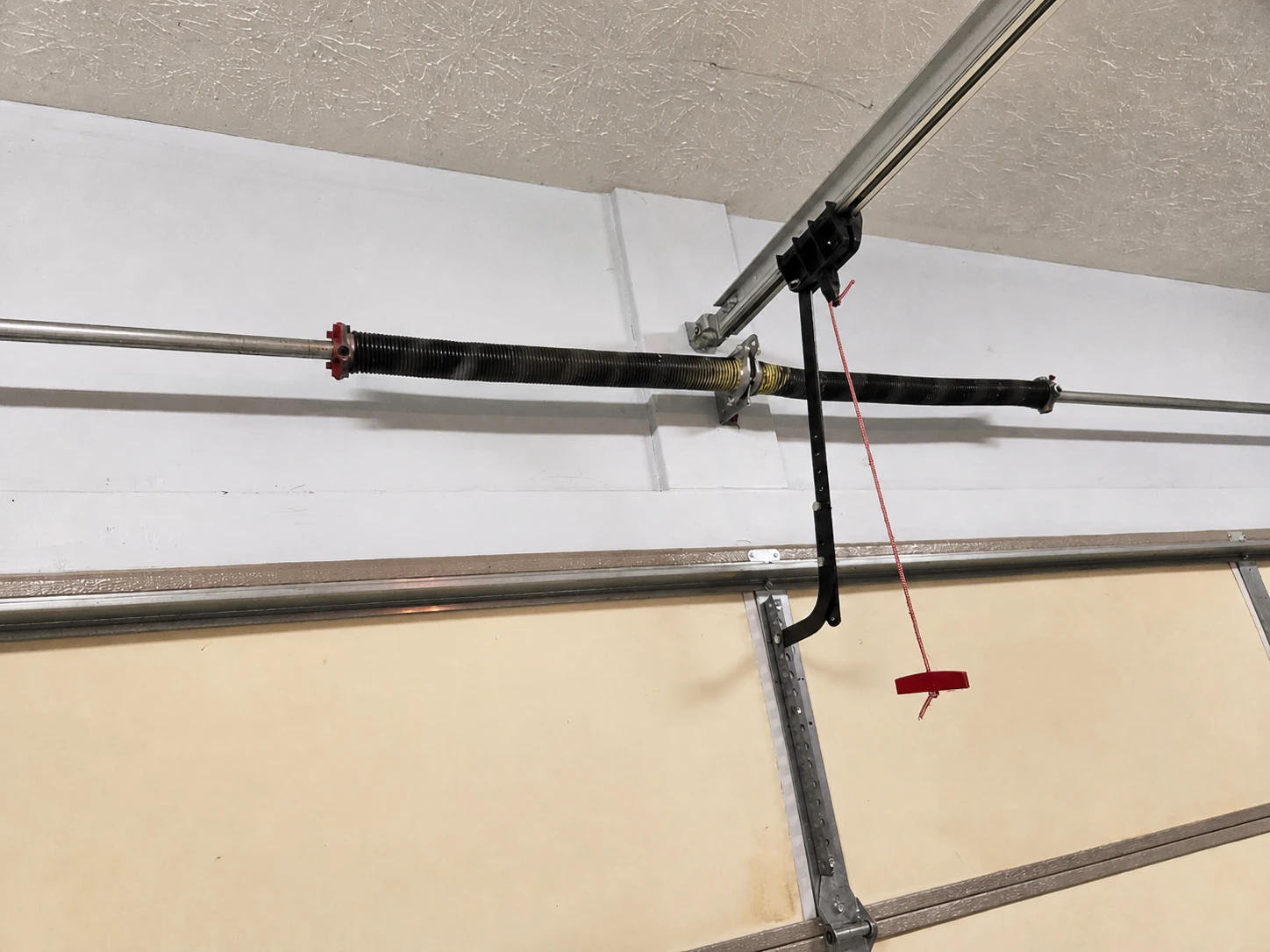 After · Replaced
Service and pricing
The technician documents the spring system, cables, drums, bearings, tracks, opener, and position of the door.Springs, cables, drums and tracks checked.
Door weight and spring dimensions are used to identify a replacement that balances the complete door.A spring sized to balance the whole door.
Required work and optional upgrades should be explained before installation begins.Required work explained before we start.
After professional replacement, the door is balanced, cycled, and safety-checked with the opener.Balanced, cycled and safety-checked.
Across the Dayton Pike Corridor, the spring setup follows the house. On newer houses such as those in the Pottebaum Point development, a torsion spring above the opening is the more common setup. On a historic home on the Ohio River hills, the door may still hang on extension springs beside the tracks. The large suburban homes built in Grant Park may carry a double door, where two heavier torsion springs can share the load.
A broken spring leaves the door too heavy to lift, so the opener should stay off until it is replaced. Extension springs are replaced in pairs, each with a safety cable running through it. Torsion springs are wound to the actual weight of the door. An older wood door can weigh more than its size suggests. The door should lift evenly by hand and stay where you leave it.
Service area coverage
Local ZIP: 41074
Before you schedule
A typical residential spring replacement generally ranges from $275 to $750. The exact price depends on the door’s weight and size, spring system, number and cycle rating of springs, required hardware, access, and whether a conversion or custom part is needed. Unusually heavy, custom, and commercial systems may fall outside this range.
Torsion springs sit on a shaft above the door and use torque to counterbalance it. Extension springs run beside or above the horizontal tracks and stretch as the door closes. Torsion systems usually provide more controlled movement; extension systems are common on some lighter or older doors and should include containment cables.
On a matched two-spring system, both springs usually share the same age and cycle history. Replacing the pair may provide more even balance and reduce the chance of another service call soon afterward. The technician should explain the recommendation for your specific door before you approve the work.
Normal cycle fatigue is the most common cause. Corrosion, incorrect sizing, added door weight, poor balance, worn bearings or cables, and earlier installation problems can also shorten spring life.
Spring life is measured in cycles, not guaranteed years. Many standard residential springs are commonly rated around 10,000 cycles, while higher-cycle options are designed for more use. Actual life depends on daily operation, correct sizing, environment, balance, and the condition of related hardware.
No. Stop using the opener and do not pull the emergency release or try to lift the door. Without its counterbalance system, the door can be extremely heavy and unstable, and continued operation can damage other parts.
The spring has to counterbalance the actual door. Door weight, spring type, wire size, inside diameter, length, winding direction, spring count, track setup, and cycle rating all matter. A spring chosen by appearance alone may leave the door poorly balanced or overload other parts.
The technician should inspect the complete door, measure the spring system and door load, explain the quote, install the correct parts, balance and cycle the door, test it with the opener, and explain the applicable parts-and-labor warranty.
It can be. A broken spring leaves the full weight of the door on the cables, the opener and anyone who tries to lift it. Keep the door closed if you can, unplug the opener, and keep people and cars clear until the spring is replaced and the cables and drums are checked.
Local help for a heavy or stuck door
Let us know whether the door is open or closed, whether a vehicle is trapped, and what you heard or saw. Keep clear of the opening until it can be inspected.