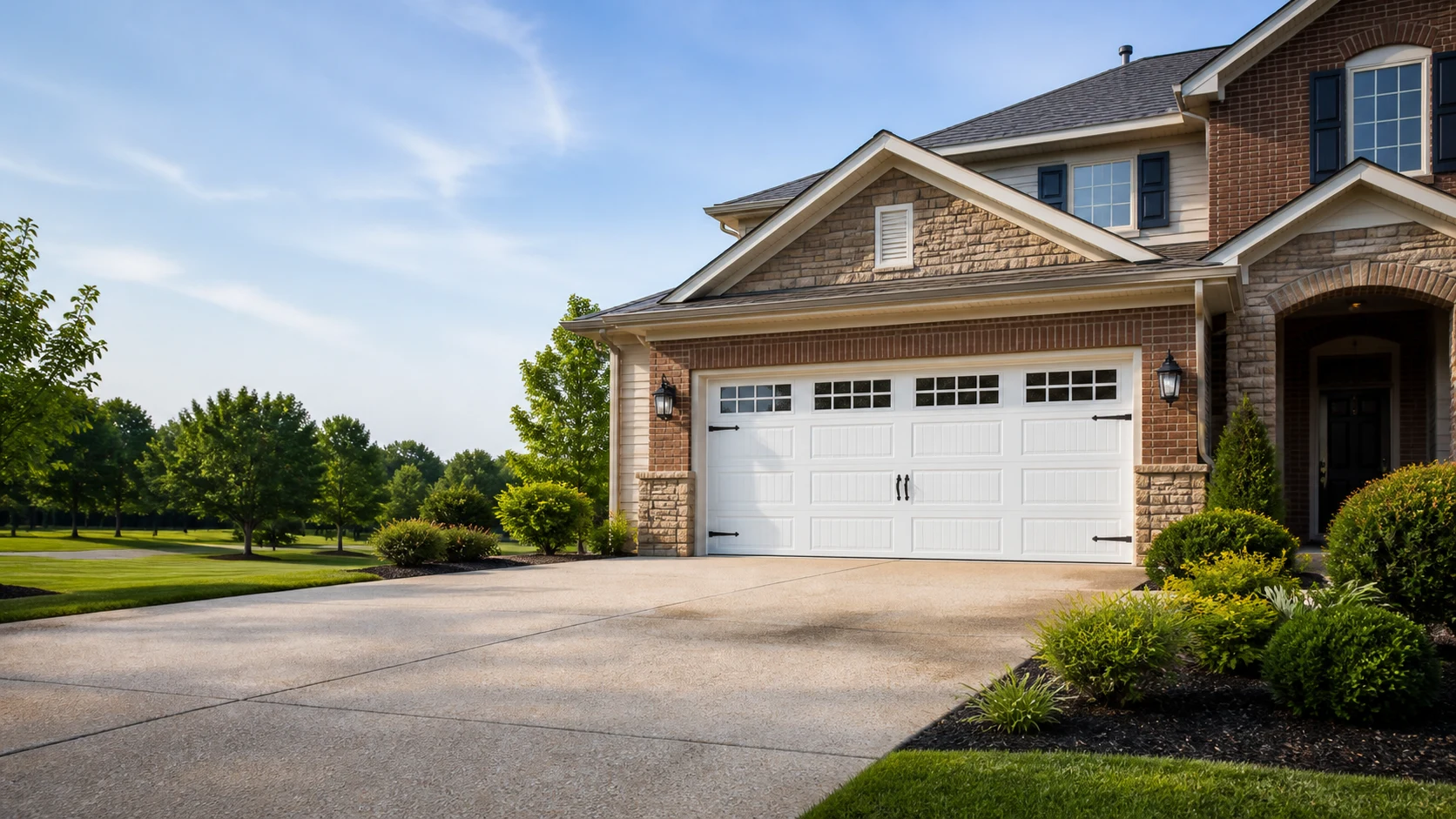
White sectional garage door closed tight against a Kentucky driveway

Garage Door Weather Seal Replacement in Old Louisville, KY

Brick carriage houses along Old Louisville alleys often share a building with living space, so garage door weatherstripping there matters beyond the garage. We replace bottom seals and jamb strips on doors near St. James Court and South Third Street.

We fit weatherstripping on Old Louisville carriage house garage doors.

Get Your Free Weather Seal Quote

Bottom seal, perimeter, and threshold • No-obligation quote

Step 1 of 2
Required field
Required field
Required field

Seal check

6 Signs Your Garage Door Seals Have Failed

  • 01
    Daylight under or around the closed doorStand inside with the door closed and the lights off. Light at the floor means the bottom seal has flattened, split, or no longer reaches an uneven slab; light at the sides or top means the perimeter stop molding has pulled away or hardened.Light at the floor or edges means a seal has failed.
  • 02
    A cracked, brittle, flattened, or torn bottom sealVinyl and rubber harden with sun, salt, and freeze-thaw cycles. A seal that no longer springs back, shows splits at the ends, or has worn through to the retainer is no longer sealing.A hardened, split or worn-through seal no longer seals.
  • 03
    Water, leaves, or grit coming in at the floorA seal that lifts on one side or a slab that has settled lets wind-driven rain and debris under the door. Puddles near the edge, damp cardboard, or a tide line on the concrete are the usual tells.A lifted seal or settled slab lets rain and debris in.
  • 04
    Drafts, cold floors, or a garage that swings with the weatherThe bottom and perimeter seals are the largest gap in the garage envelope. When they fail, an attached garage loses conditioned air, and the rooms above and beside it feel it.Failed seals let conditioned air out of the garage.
  • 05
    Mice, insects, or spiders finding their way inA quarter-inch gap is enough for a mouse. Chewed seal ends and droppings along the door line point to an entry at the bottom corners or where the seal meets the jamb.A quarter-inch gap is enough for a mouse.
  • 06
    The retainer or stop molding is bent, loose, or rottedA bottom seal is only as good as the aluminum or PVC retainer that holds it, and perimeter weatherstrip depends on sound jambs. Damaged retainers and rotted wood stops need correcting, not just a new strip.Bent retainers or rotted stops need repair, not just a strip.

What to do now

Do the light test tonight. Then tell us what you saw.

Close the door, turn off the garage lights, and look along the floor and up both sides. Note where the light shows: bottom, one corner, the sides, or the top, and whether the floor looks uneven. That tells us whether you need a bottom seal, perimeter stop molding, a threshold, or all three, and we can usually bring the right profile on the first visit.

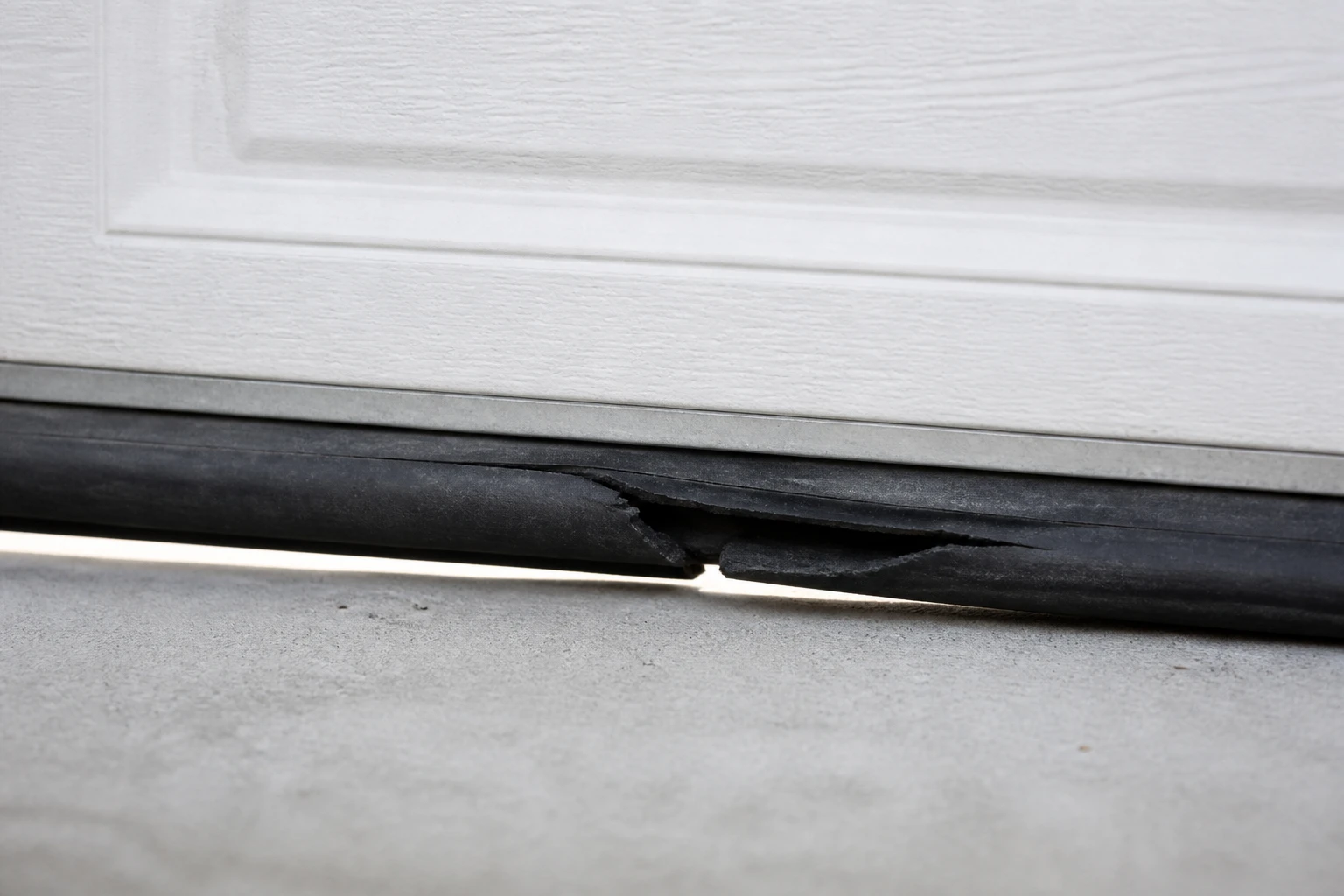
Split, brittle garage door bottom seal with daylight showing through
A split, hardened bottom seal lets light, water, and pests in at the floor. It is the most common seal failure we see.

Customer reviews

Kentucky homeowners recommend Derby Strong.

Understand your options

Choose the right seal for your garage

Know the seals

Bottom Seal vs. Perimeter Weatherstrip: Which One Is Leaking?

Along the floorBottom seal
Up the sides and across the topPerimeter weatherstrip
What it is A rubber or vinyl strip seated in the aluminum or PVC retainer on the door’s lower edge Vinyl stop molding with a flexible fin nailed or screwed to the jambs and header
What it stops Water, wind, grit, insects, and mice at the floor, the largest gap on the door Side and top drafts, driving rain, dust, and the rattle of the door against the stops
Sign it failed Daylight at the floor, a flattened or split strip, puddles or tide lines inside Light at the edges, a hardened or curled fin, a gap between molding and door face
Styles and profiles T-end, bead, U-shape, bulb; standard or oversized; rodent-resistant with mesh core Vinyl stop molding with fin; solid or hollow; white, brown, or color-matched
Along the floor

Bottom seal

Rubber or vinyl fitted into the retainer on the door’s lower edge.

Stops
Water, wind, grit, insects, and mice at the floor.
Replace when
You see daylight, splits, flattening, or water lines inside.
Common profiles
T-end, bead, U-shape, bulb, and rodent-resistant.
Sides and top

Perimeter weatherstrip

Vinyl stop molding with a flexible fin fitted to the jambs and header.

Stops
Side and top drafts, rain, dust, and door rattle.
Replace when
You see edge light, a curled fin, or a gap beside the door.
Common profiles
Solid or hollow vinyl in white, brown, or matched colors.

Uneven floor? That is what a threshold seal is for.Uneven floor? Add a threshold.

A raised rubber threshold bonded to the concrete gives the bottom seal something level to land on, turns water away from a slab that slopes toward the garage, and closes a low corner no bottom seal can reach. It is added to a bottom seal, not substituted for it.A bonded rubber threshold gives the bottom seal a level surface and helps turn water away. It works with—not instead of—the bottom seal.

Not sure what you have? Send a photo of the bottom corner of the closed door from inside, and a close-up of the retainer edge if you can reach it safely. We can usually identify the profile before the visit.

The complete seal

Three Seals That Close the Garage Door Envelope

01

Bottom seal with retainer

The single most important seal on the door. A compressible rubber or vinyl strip seated in the bottom retainer closes the gap to the floor against water, air, and pests. Oversized profiles handle uneven slabs; rodent-resistant versions add a metal mesh core.Closes the floor gap against water, air and pests.

02

Perimeter weatherstrip (stop molding)

Vinyl stop molding with a flexible fin runs up both jambs and across the header. It seals the side and top gaps, blocks drafts and driving rain, and keeps the door from rattling against the stops.Seals the side and top gaps and stops door rattle.

03

Threshold seal

A raised rubber barrier bonded to the concrete where the door closes. It is the answer when the slab slopes toward the garage, water tracks in under the seal, or the floor is too uneven for a bottom seal alone.A floor barrier for sloped or uneven slabs.

Seal selection

The Four Things We Match Before Fitting a Seal

  1. 01

    Retainer profile and seal style

    Bottom seals come in T-end, bead, U-shape, and bulb styles, each made for a specific retainer channel. We match the profile to your door’s retainer rather than forcing a near-fit that leaks at the ends or pulls out of the track.We match the seal profile to your retainer.

  2. 02

    Floor condition

    Many Kentucky garage slabs have settled, cracked, or sloped toward one corner. An oversized or U-shape seal fills a low spot; a badly uneven floor may also call for a threshold seal bonded to the concrete.We check the slab for slopes and low spots.

  3. 03

    Perimeter stop molding and jambs

    Vinyl stop molding with an integral flexible fin seals the sides and top. We check the fin for hardening and the jambs for rot, and set the molding so it touches the door face without dragging.We check the side and top fins and the jambs.

  4. 04

    Material for the climate

    EPDM rubber stays flexible through Kentucky winters where thin vinyl turns brittle; silicone lasts longest. Solid versus hollow trim, black versus gray, and rodent-resistant seals with a mesh core are chosen for the exposure the door sees.Flexible material, rodent-resistant where needed.

Why the ends matter: most do-it-yourself bottom seals fail at the corners, where the strip was cut flush and shrank back, leaving the exact gap a mouse or a stream of water needs. We leave extra length and fold it into the retainer at each end, then re-check the opener’s travel limit so it does not crush the thicker new seal.Corner fit matters. We fold extra seal into both ends, then check the opener so the new seal is not crushed.

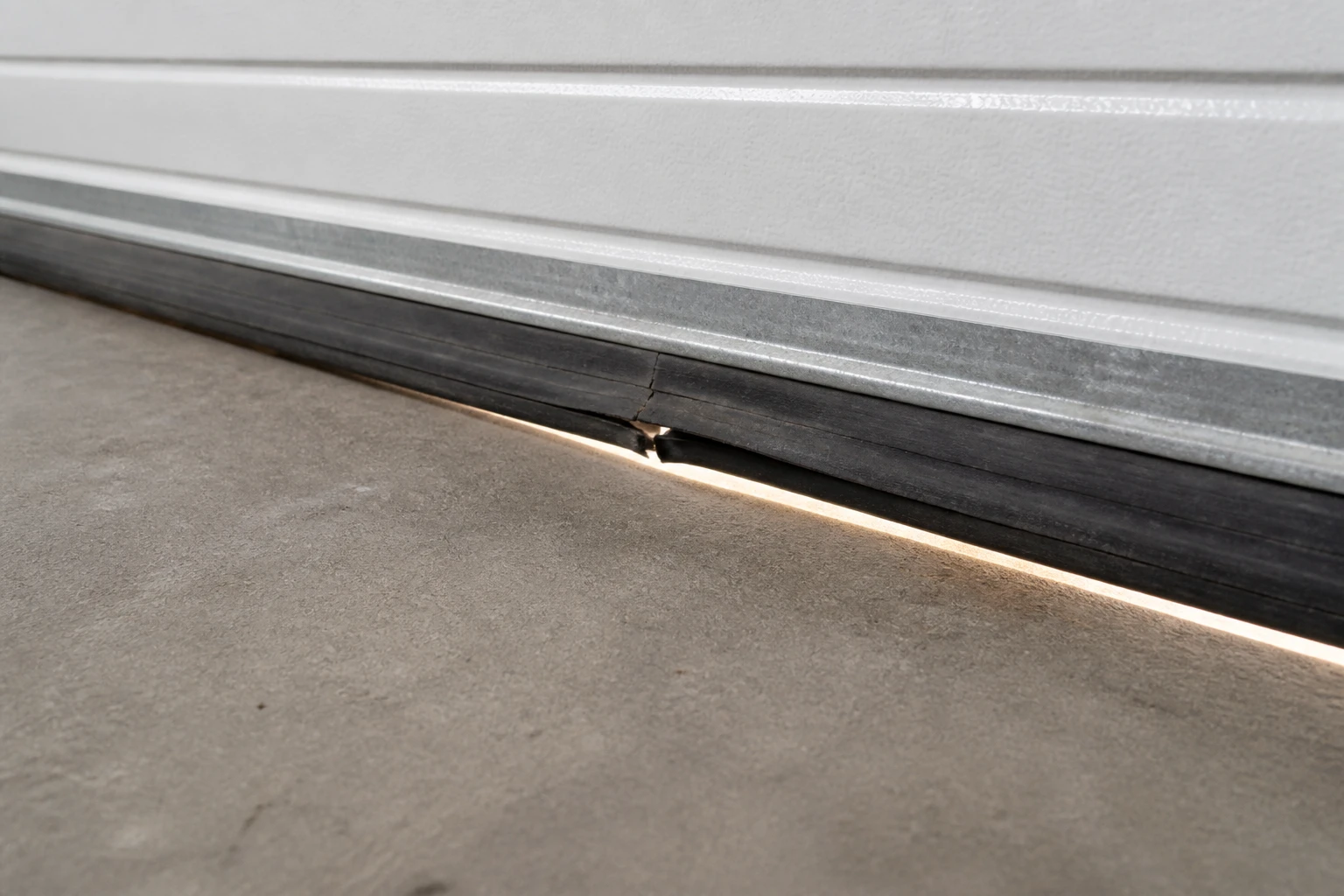
Worn garage door bottom seal with a visible gap and daylight below Worn · Gap and daylight at the floor
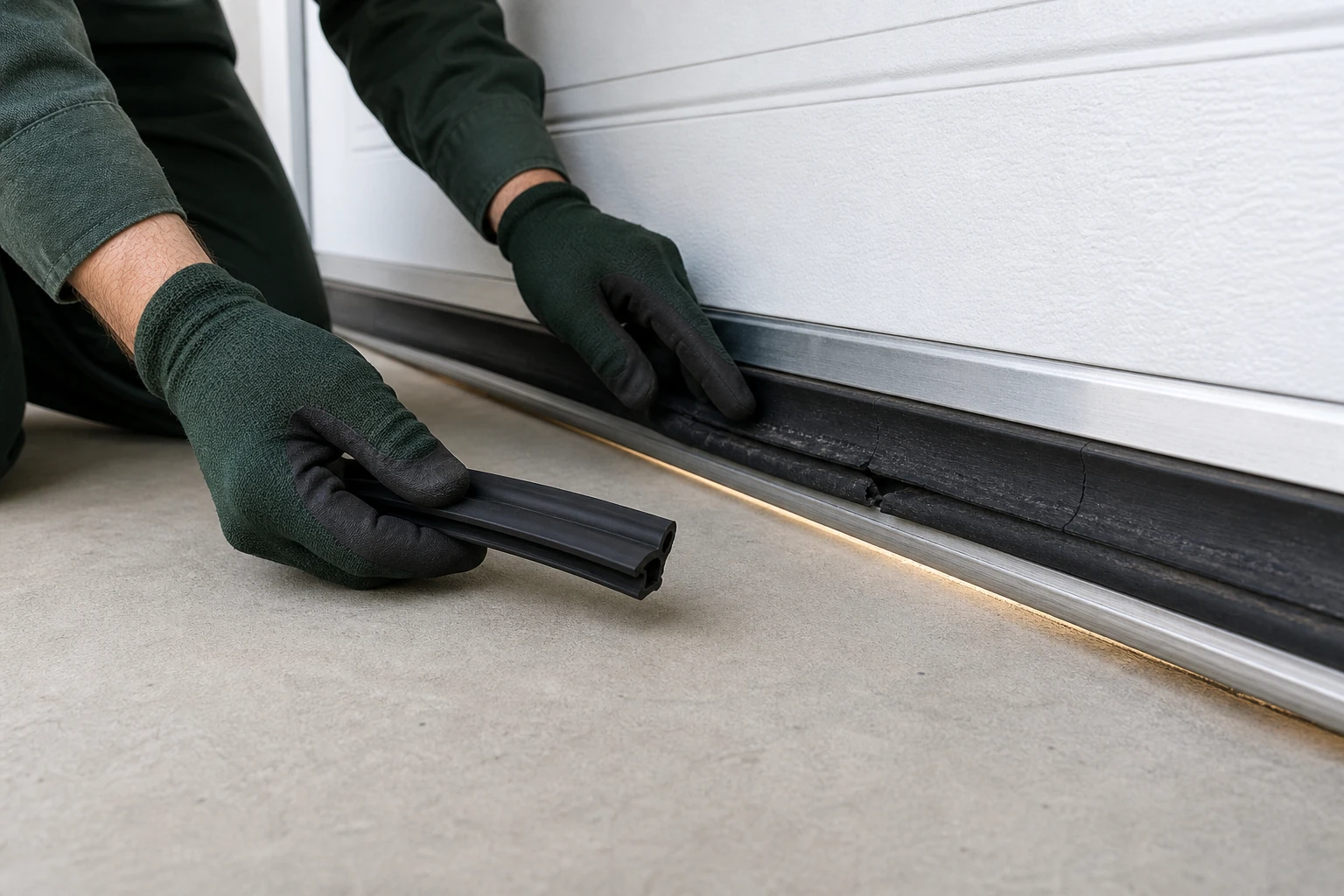
Technician fitting a new rubber bottom seal on a white garage door New · Seal fitted to the retainer
A flattened seal that has pulled away from the floor, and a new seal being fitted into the retainer where it can compress against the slab.

Service and pricing

What Seal Replacement Includes—and What It May Cost

Four clear stepsHow installation works

  1. 01

    Inspect the whole door edge

    The technician checks the bottom seal and retainer, the perimeter stop molding and jambs, the header seal, and the floor line for gaps, wear, rot, and water tracks.We check the bottom, sides, top, retainer, and floor for gaps or damage.

  2. 02

    Match the seal to the door

    Profile, size, and material are selected for your retainer, door width, and floor condition, so the new seal seats correctly and seals at the ends.We match the profile and material to your door, retainer, and floor.

  3. 03

    Replace, reseat, and set

    Old material is removed, the retainer or stop molding is repaired or replaced where needed, and the new seal is fitted with extra length folded at the ends rather than cut short.We remove the old material, make needed repairs, and fit the new seal.

  4. 04

    Close, test, and check the light

    The door is closed and checked from inside for daylight, the seal contact is verified across the full width, and the travel limits are confirmed so the opener does not crush the new seal.We close the door, check for light, and confirm even contact and travel.

Garage door weatherstripping across Old Louisville

Weather seals on an Old Louisville garage door close the gaps where outside air slips in. The neighborhood plan backs building carriage houses with accessory apartments along the alleys, to re-create the alley walls once typical of the area. From St. James Court to South Third Street, some brick carriage houses already stand on such lots in the Old Louisville Preservation District. Where living space shares a building with a garage, a tight seal matters most.

Summer mornings here are humid, and winter brings freezing nights. A worn bottom seal lets both reach the inside along the floor. We fit a new bottom seal that follows the slab rather than bridging its low spots. Where the gap is too uneven for a seal alone, a threshold strip can close it. Dried or cracked perimeter seal along the jambs is replaced. Closed, the door should meet its seals evenly on all sides.

Service area coverage

Local ZIP: 40203

Open in Google Maps

Before you schedule

Answers to Common Garage Door Seal and Weatherstrip Questions

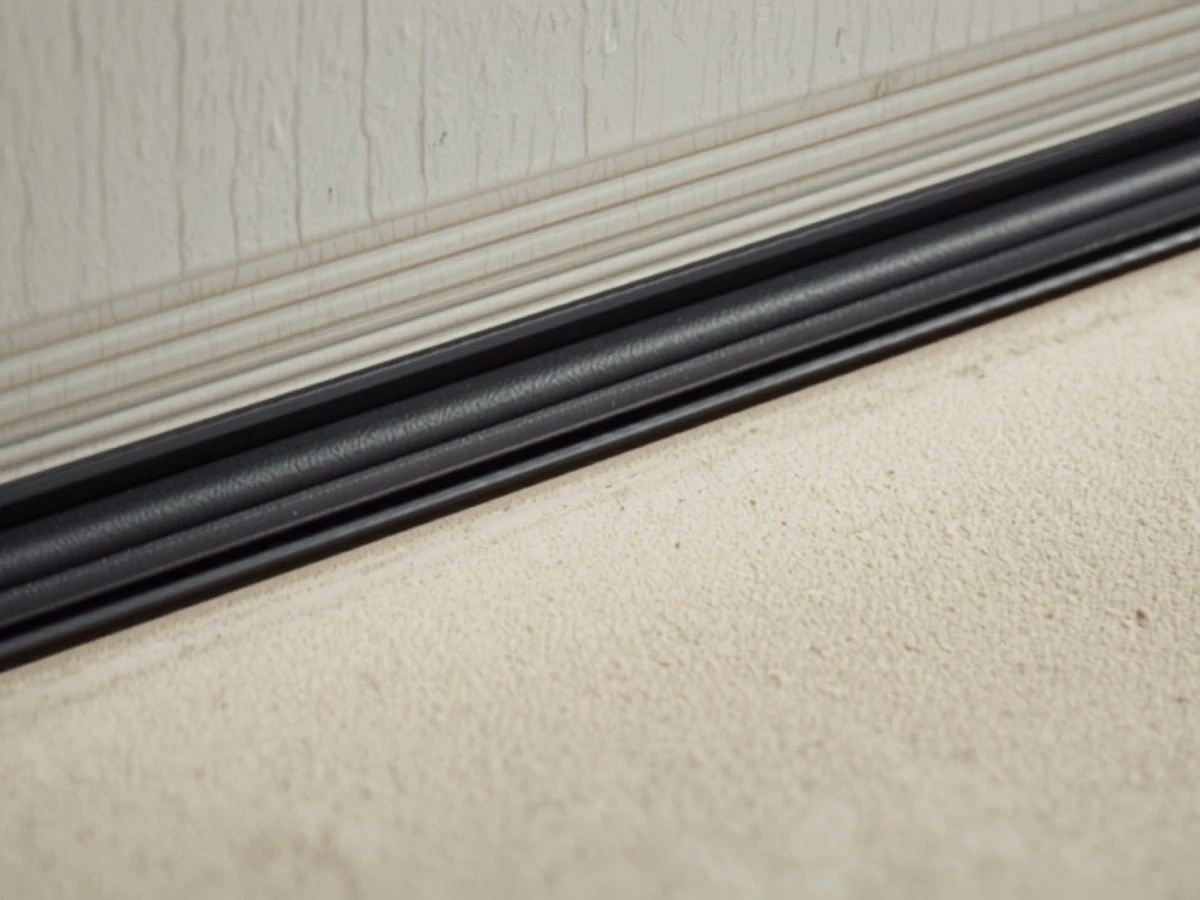
Bottom seal seated in its retainer and meeting the concrete floor
Bottom seal
T-end, bead, U-shape, or bulb; must match the retainer channel
Retainer
Aluminum or PVC channel on the door’s lower edge that holds the seal
Stop molding
Vinyl perimeter weatherstrip with a flexible fin on both jambs and the header
Threshold
Rubber barrier bonded to the floor for sloped or uneven slabs
Seals at a glanceThe four parts that close the gap around a sectional door.
01How much does garage door weather seal replacement cost in Old Louisville?

A bottom seal on a single door typically runs $95–$165 installed and $125–$195 on a double door. Perimeter vinyl stop molding on both sides and the header is usually $150–$275, and a floor-mounted threshold seal $110–$195. A damaged bottom retainer or rotted jamb adds to the job and is quoted before work begins. Doing the bottom seal and perimeter together on one visit is usually the best value.

02Which bottom seal do I need: T-end, bead, U-shape, or bulb?

It depends on the retainer on your door. T-end seals slide into the most common aluminum retainer channels; bead seals fit the round-channel retainers on many steel doors; U-shape and bulb seals are used where the floor is uneven or a thicker profile is needed. Bringing a scrap of the old seal, or a photo of the retainer edge, lets us match it before the visit.

03How long do garage door seals last?

Most bottom seals and weatherstrips last roughly three to eight years. Sun exposure, road salt, freeze-thaw cycles, and how often the door closes all shorten that. Thin vinyl turns brittle fastest in cold weather; EPDM rubber stays flexible longer; silicone lasts longest. An annual check before winter catches a seal that is about to fail.

04Why is there still a gap after a new bottom seal?

Usually the floor. Slabs settle, crack, or slope, and a standard seal cannot reach a low corner. Options are an oversized or U-shape seal to fill the low spot, a threshold seal bonded to the concrete, or both. A gap that appears only on one side can also mean the door is sitting crooked, which is a cable or track issue rather than a seal issue.

05Can I replace the bottom seal myself?

On a standard steel door with a sound retainer and a level floor, a bottom seal is one of the more DIY-friendly garage door jobs. The common mistakes are buying the wrong profile for the retainer, cutting the seal flush instead of leaving extra to fold at the ends, and forgetting to re-check the opener’s travel limit so it does not crush the thicker new seal. Call a professional when water comes in regularly, the retainer is bent, the jambs are rotted, or rodents are getting through.

06What is the difference between weatherstripping and the bottom seal?

The bottom seal is the strip on the door’s lower edge that meets the floor. Weatherstripping, or stop molding, is the vinyl trim with a flexible fin that runs up both sides and across the top of the opening and seals against the door face. Most drafts and water problems involve the bottom seal; rattles and side drafts usually involve the perimeter stop molding.

07Will new seals keep mice out?

They close the gap mice use most: the bottom corners and where the seal meets the jamb. For a garage with a history of rodents, a rodent-resistant bottom seal with a metal mesh core resists chewing, and the perimeter stop molding should be set tight to the jambs. Seals are one part of pest control, not the whole of it.

08Do seals really affect energy use?

For an attached garage, yes. The door perimeter is the largest uncontrolled gap in the garage, and an attached garage shares walls and often a ceiling with living space. Sound seals keep conditioned air in and wind out, reduce temperature swings in the garage, and help an insulated door do its job. They are also the cheapest part of the door to get right.

09Should the seal be black or gray, solid or hollow?

Black seals absorb more heat and suit cold climates; gray stays cooler in strong sun. Solid trim profiles suit colder regions and hollow profiles warmer ones. For most Kentucky doors a flexible black or gray EPDM bottom seal and standard vinyl stop molding are the right choice; we match to the door’s exposure.

10Will a new seal make the door close differently?

A new seal is thicker than the flattened one it replaces, so the opener may stop short or reverse if its travel limit was set to the old seal. We check and adjust the limit after installation so the door closes fully and the safety reversal still works.

11How do I know my garage door seals need replacing?

Daylight under or around the closed door, water or leaves blowing in, drafts at the floor and a seal that is cracked, flattened or brittle all point to worn seals. Mice getting into the garage is another common sign that the bottom seal no longer meets the floor.

Local help for a drafty, leaking, or pest-prone door

Tell us where the light shows. We’ll bring the right seal.

Let us know whether it is a single or double door, where you see light or water at the bottom, sides, or top, whether the floor looks uneven, and whether you have had pests. We will confirm the materials and price before work begins.

  • Single or double door
  • Light or water at the bottom, sides, or top
  • Uneven floor, pests, or rotted trim
Call (502) 619-5198

Request Weather Seal Service

Serving Old Louisville and nearby Louisville Metro communities. Share the essentials and we’ll call to confirm the right service timing.

Step 1 of 2
Required field
Required field
Required field

Derby Strong Garage Doors

Garage door trouble?

Talk to our local team now about a broken spring, a stuck door, an opener or a new door.

Call (502) 619-5198 Schedule online

5.0 from 236 Google reviews